

By: Lonwabo Mtyeku | Photo Credit: Supplied
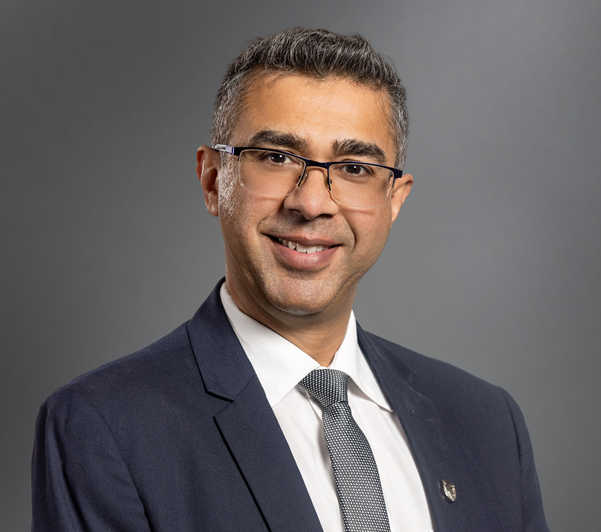
Seen Here: Sameer Bagwandeen, Head of Energy & Infrastructure SA at Business and Commercial Banking, Standard Bank South Africa. Photo Credit: Supplied
Cape Town, South Africa — Standard Bank says unlocking Africa’s energy future will require far greater private sector participation, scalable financing models and accelerated investment into critical infrastructure as the continent works to strengthen energy security and drive long-term economic growth.
The banking group has positioned itself at the centre of conversations shaping Africa’s energy transition, with executives stressing that stronger collaboration between governments, development finance institutions and private investors will be essential to meeting the continent’s rapidly growing energy demands.
The call comes as policymakers, financiers and energy stakeholders gather at Enlit Africa 2026 in Cape Town to discuss Africa’s evolving energy landscape, infrastructure investment priorities and sustainable development goals.
Standard Bank said Africa’s energy transition presents a major opportunity to expand transmission infrastructure, integrate renewable energy solutions and create resilient energy ecosystems capable of supporting industrialisation and inclusive economic growth.
The bank has already committed to mobilising more than R450 billion in sustainable finance by 2028 to support Africa’s just energy transition and broader sustainability objectives.
According to Deerosh Maharaj, developing investable infrastructure opportunities and scalable funding solutions will be critical to ensuring Africa’s energy ambitions become economically sustainable realities.
“Africa’s energy transition presents a significant opportunity to deepen collaboration between governments, development finance institutions and the private sector to mobilise the capital required for long-term infrastructure development,” Maharaj said.

Seen Here: Deerosh Maharaj, Executive Head for Energy, Infrastructure and Mining at Business and Commercial Banking at Standard Bank South Africa. Photo Credit: Supplied
He added that continued investment in transmission networks, renewable energy integration and enabling infrastructure would play a central role in strengthening energy resilience, competitiveness and economic expansion across African economies.
Africa’s infrastructure funding gap remains one of the biggest barriers to unlocking growth, particularly as countries seek to modernise electricity grids, improve power reliability and support industrial development.
At the same time, growing global investor appetite for sustainable infrastructure and clean energy projects is creating new opportunities for African economies to attract long-term private capital into strategic sectors.
Sameer Bagwandeen said businesses across multiple sectors are increasingly prioritising reliable and sustainable energy solutions as part of their long-term operational strategies.
“Businesses are increasingly looking for practical financing solutions and strategic partnerships that can help support operational resilience, growth and long-term sustainability in an evolving energy environment,” Bagwandeen said.
He noted that the transition to cleaner and more diversified energy systems is also opening opportunities for businesses to participate more actively in energy-related value chains, including localisation initiatives, supplier ecosystems and infrastructure development projects.
Standard Bank says its Business and Commercial Banking Energy, Infrastructure and Mining division continues to support strategic sectors linked to industrialisation, renewable energy, mining and broader infrastructure development across the continent.
The bank’s presence at Enlit Africa 2026 includes several senior executives and sector specialists participating in discussions around sustainable finance, infrastructure investment and Africa’s energy transition.
Among the Standard Bank leaders participating are Goolam Ballim, Rentia van Tonder, Brian Tahinduka and Joel Buatre.
As Africa navigates the complexities of balancing economic growth, industrial expansion and climate commitments, financial institutions are expected to play an increasingly influential role in mobilising capital and enabling large-scale infrastructure transformation.
Standard Bank believes that unlocking energy resilience across Africa will depend not only on public investment, but also on the ability of the private sector to finance and scale infrastructure solutions capable of supporting future economic growth.
With electricity demand rising and countries intensifying efforts to diversify energy sources, the bank says accelerating collaboration and private capital mobilisation will be critical to shaping a more secure, competitive and sustainable African energy future.