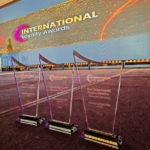

By: Lonwabo Mtyeku | Photo Credit: Supplied
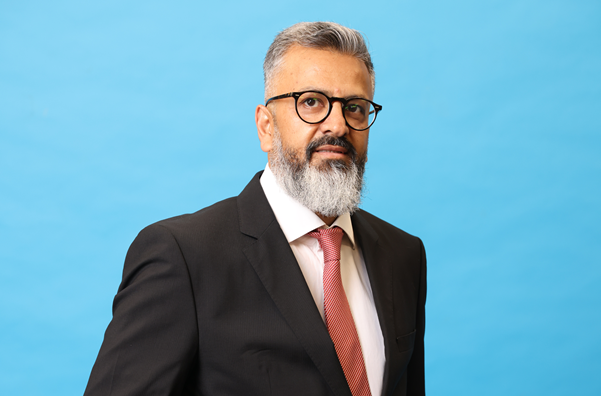
Seen Here: Amman Muhammad, FNB Islamic Banking CEO Photo Credit: Supplied
Johannesburg, South Africa — FNB Islamic Banking says the future growth of Islamic finance across Africa will depend less on speed and scale, and more on disciplined governance, ethical financial structures and sustainable long-term expansion.
In a strategic reflection on the evolution of Islamic banking in South Africa and the continent, FNB Islamic Banking CEO Amman Muhammad outlined how the sector is moving beyond perceptions of being a niche faith-based offering into a sophisticated financial system grounded in transparency, certainty and real economic activity.
Muhammad noted that Islamic banking has gained increasing relevance in an environment where customers are placing greater importance on trust, ethical conduct and institutional accountability.
“Islamic banking is a structured system of ethical and principles-based finance governed by clear rules and anchored in certainty of contract,” he said.
South Africa’s Islamic finance sector has matured significantly over the past two decades, evolving from an emerging market segment into a more established financial ecosystem supported by regulatory recognition, product innovation and growing public awareness.
According to FNB, the success and credibility of Islamic banking are inseparable from governance and operational discipline. The bank emphasised that Shari’ah compliance is achieved not through symbolic branding, but through formal governance structures, independent oversight and rigorous product design.
FNB Islamic Banking, which has operated in South Africa since 2004, has built a broad portfolio of Shari’ah-compliant solutions spanning transactional banking, financing, investments and insurance.

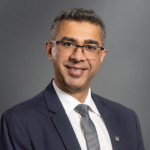
Seen Here: Moulana Safwaan Navlakhi – Executive Head of FNB Islamic Banking Photo Credit: Supplied
The bank says its long-term strategy is centred on maintaining customer trust through consistency, transparency and regulatory alignment.
As part of its next phase of development, FNB has restructured leadership responsibilities to support both local market strength and continental expansion ambitions.
Muhammad’s role has now expanded to focus on the broader FirstRand Islamic Financial Services Group strategy, including expansion into new jurisdictions and strengthening governance frameworks across markets.
Meanwhile, leadership of the South African Islamic Banking franchise has been entrusted to Safwaan Navlakhi, who will oversee the local business and continue driving performance within the domestic market.
FNB says the separation of responsibilities is deliberate and designed to ensure that both objectives — protecting the South African franchise and pursuing African expansion — receive focused attention.
The bank stressed that entering new African markets requires patience, regulatory understanding and deep operational capability rather than aggressive expansion.
“Expansion in Islamic banking cannot be reduced to geographic reach,” Muhammad explained. “Each market presents different regulatory frameworks, levels of awareness and operational considerations.”
He added that sustainable growth in Islamic finance depends on exporting governance standards and institutional capability rather than simply replicating products across borders.
FNB also highlighted growing interest in Islamic finance across Africa, driven by demographic trends, institutional evolution and rising familiarity with Shari’ah-compliant financial products.
However, the bank cautioned that rapid growth without sufficient governance structures could undermine trust and long-term sustainability.
Instead, FNB plans to focus on measured expansion through carefully structured financial solutions, including Shari’ah-compliant trade finance, SME funding and digital banking innovation.
The bank reiterated that Islamic banking’s appeal extends beyond religion, saying its emphasis on transparency, ethical finance and real economic participation resonates with a broad range of customers regardless of faith background.
As African economies continue seeking more inclusive and trusted financial systems, FNB believes Islamic finance is positioned to play a larger role in supporting economic participation and sustainable growth across the continent.
“In Islamic finance, progress is not defined by speed,” Muhammad concluded. “It is defined by precision.”