


Lonwabo Mtyeku | Image Credit:Sourced
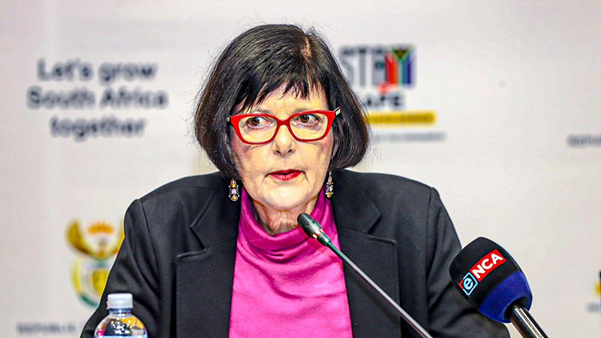
Johannesburg – Transport Minister Barbara Creecy has proposed a firm ban on drinking and driving, signalling a decisive shift in government’s approach to road safety as South Africa continues to grapple with high levels of alcohol-related road fatalities.
The proposal forms part of broader efforts by the Department of Transport to strengthen road safety legislation, reduce preventable deaths and change driver behaviour. If implemented, the measure would move South Africa closer to a zero-tolerance approach to alcohol consumption behind the wheel.
Tackling a Persistent Road Safety Crisis
Speaking on the proposal, Creecy emphasised that drinking and driving remains one of the leading contributors to fatal crashes on South African roads, particularly during peak travel periods and public holidays.
“Too many lives are lost every year because alcohol impairs judgment, reaction time and decision-making,” the minister said. “We have to be bold in confronting behaviours that continue to place road users at risk.”
South Africa consistently ranks among countries with the highest road fatality rates globally, with alcohol frequently cited as a major factor in serious and fatal collisions.
What the Proposal Means
Under the proposed changes, any detectable level of alcohol in a driver’s system could constitute an offence, replacing the current legal blood alcohol concentration thresholds. The proposal is aligned with international best practice, where zero-tolerance policies have been credited with reducing alcohol-related crashes.
The department is expected to consult widely with stakeholders, including law enforcement agencies, road safety experts, civil society organisations and the hospitality industry, before finalising the legislative framework.
Enforcement and Public Awareness
Creecy has stressed that stronger laws must be matched with effective enforcement and public education. Enhanced roadside testing, stricter penalties and sustained awareness campaigns are expected to form part of the broader strategy.
Road safety advocates have welcomed the proposal, arguing that a zero-tolerance stance sends a clear message that drinking and driving will no longer be tolerated.
Mixed Public Reaction
While many safety groups have applauded the move, some stakeholders have raised concerns about enforcement capacity and the potential impact on social and economic activities. The minister has acknowledged these concerns but maintained that public safety must take precedence.
“Our roads should not be places of tragedy,” Creecy said. “Preventing one death is worth every effort.”
Further details on the proposed ban, including timelines and legislative amendments, are expected to be released as consultations progress.


