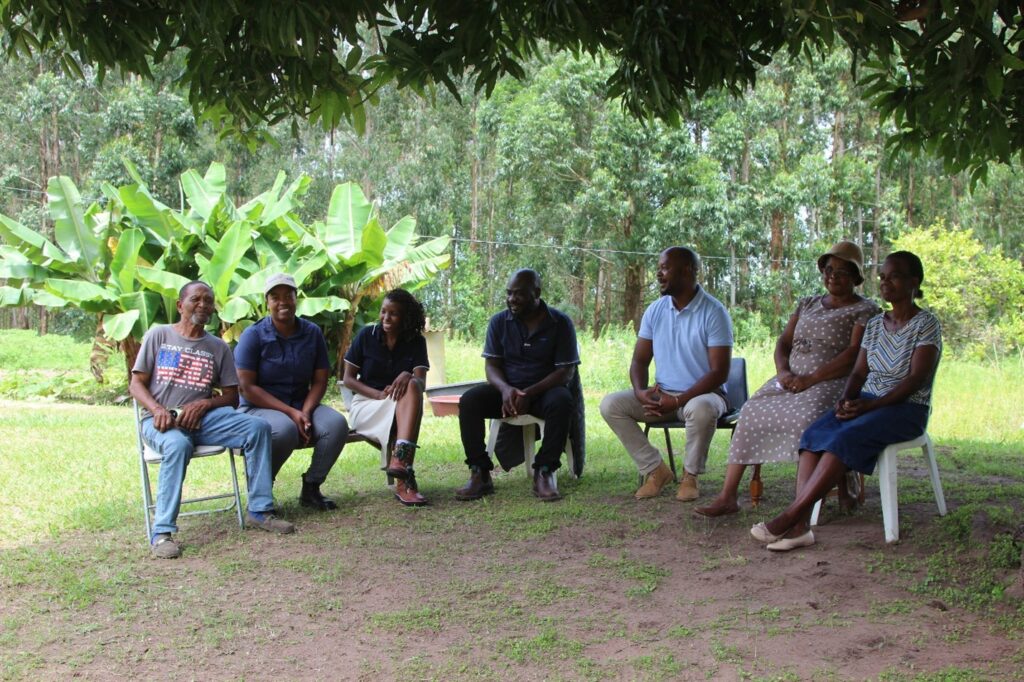
The momentum for Forest Stewardship Council (FSC) certification among small-scale tree farming operations in South Africa is on the rise, with over 870 growers already certified under one group system. This encouraging development comes with a robust target: to certify 3,000 small-scale grower operations across the nation in the coming years.
The pioneering strides toward certification have been made possible through FSC’s innovative frameworks designed specifically for small and micro forest operations. The initiatives include the Standard for Small and Low-Intensity Managed Forests (SLIMF), which simplifies certification requirements and auditing procedures, effectively reducing costs for smallholders. As a collective effort, FSC group certification allows certificate holders to share insights, resources, and costs among members. Additionally, the Continuous Improvement Procedure permits smallholders to gradually progress towards full FSC certification, providing a series of manageable indicators over a five-year timeline.
Historically, small-scale and community-owned forestry in Southern Africa has faced steep barriers to certification due to the cumbersome and costly nature of the process, leaving larger commercial operations to dominate the certified market for decades. However, the recent progress marks a transformative period for these small-scale tree farmers, who can now see direct benefits through enhanced marketability and sustainable forest management practices that prioritise worker safety and reduce environmental harm.
One significant player in this initiative is Mondi South Africa, a major player in the paper and packaging industry, which has taken commendable steps to source timber from small-scale growers, primarily in the Zululand area. Thokozani Mfekayi, CEO of Khulanathi Forestry, emphasized the importance of FSC certification: “Being FSC-certified is opening markets for us. There is a demand for such products,” he noted. Through a strategic partnership with local timber purchasing agents and the independent forestry solutions company CMO, Mondi is facilitating this certification process and utilizing innovative technology to simplify the journey for the small-scale growers involved.
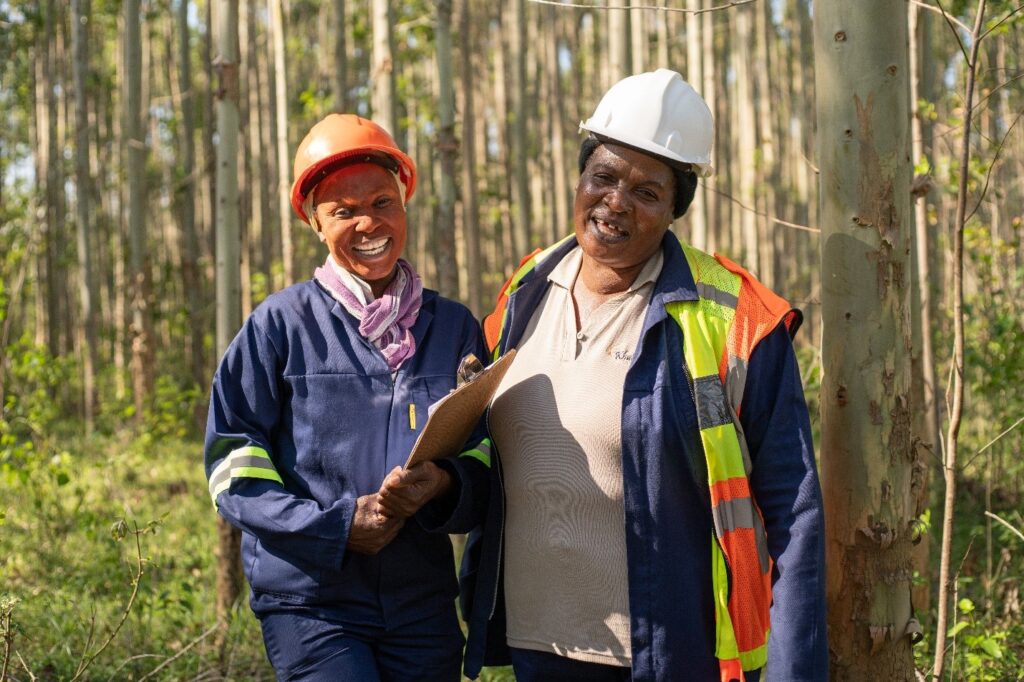
Sappi, another key contributor in South Africa’s forestry sector, operates the Khulisa outgrower programme, aimed at developing small-scale growers to effectively supplement their timber supply needs. This proactive initiative involves assessing individual growers, identifying gaps in certification, and providing targeted support through training and workshops. Simeon Cele, a founder of the Mfume Forestry Cluster, reflected on this transformative journey: “We didn’t think there was anything better until members from Sappi advised us that it would be wise to get certification so that our products would be world-class products.”
Efforts to expand beyond just timber are also underway, particularly in the Eastern Cape, where invasive wattle species are being cleared to produce charcoal. A local NGO is working with charcoal manufacturers to achieve FSC certification, thus encouraging sustainable practices while creating job opportunities in the community. This multifaceted approach ensures environmental rejuvenation and economic development are intertwined.
The challenges faced by small-scale growers are not confined to South Africa; neighbouring Eswatini grapples with similar issues stemming from invasive wattle species. The FSC Southern Africa team collaborates with Eswatini’s government and stakeholders to guide small-scale farmers in attaining certification, aiming to connect them with lucrative international markets eager for responsibly sourced timber.
Globally, the trend shows that FSC-certified small and low-intensity managed forests have nearly doubled within a decade, from 7 million hectares in 2016 to 13.5 million hectares by May 2025. The FSC continues to offer tailored solutions to reduce certification complexity and cost, facilitating new market opportunities for small-scale forest managers.