


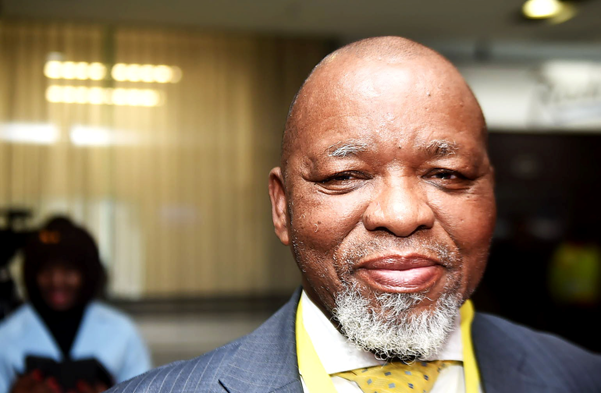
The bustling financial heart of Johannesburg is this week hosting a high-level G20 Critical Minerals Stakeholder Engagement, currently taking place at the Radisson Blu Gautrain Hotel in Sandton. The event, hosted by South Africa’s Minister of Mineral Resources and Energy, Gwede Mantashe, brings together key industry players, policy-makers, researchers and global partners to shape the future of sustainable mineral development and secure critical mineral value chains.
As global demand for critical minerals intensifies — driven by the green energy transition, digital technologies and the rise of electric vehicles — this engagement forms part of a strategic dialogue within the G20 framework to ensure that mineral-rich countries benefit meaningfully from their resources, while contributing to global sustainability goals.
In his opening remarks, Minister Mantashe emphasised the vital role Africa, and particularly South Africa, plays in the global critical minerals landscape. “Africa must be more than a source of raw materials. We must be the engine room of beneficiation, innovation and sustainable development. This platform allows us to define our role in the global value chain — not as passive participants, but as equal partners.”
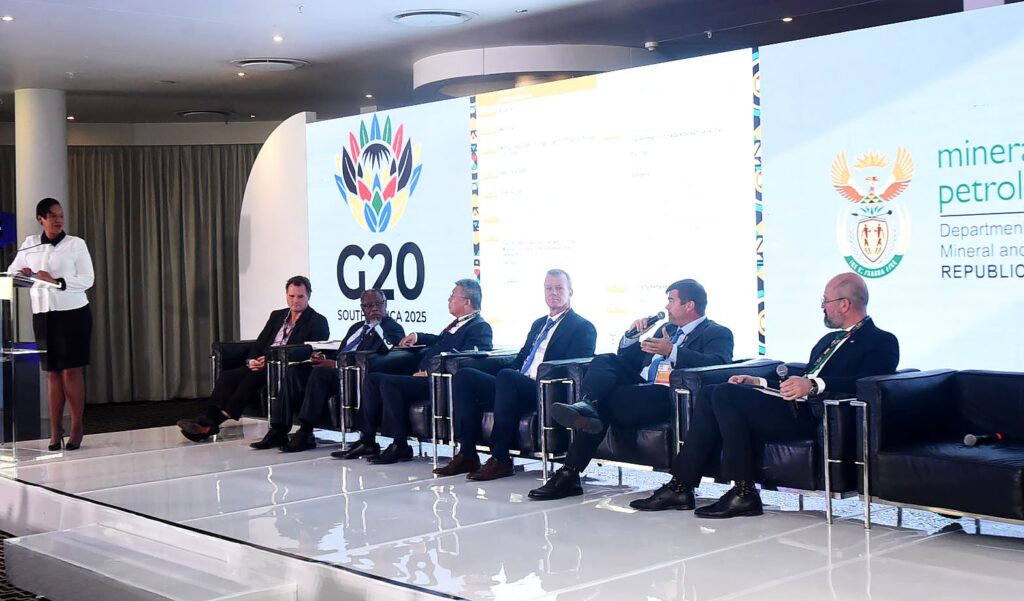
The engagement covers a range of key themes, including transparency in supply chains, responsible mining practices, investment in local beneficiation and the importance of technology in traceability and accountability. With over 60 percent of the world’s known mineral resources located in Africa, yet a disproportionately small share of global beneficiation and manufacturing, there is growing consensus on the need to localize more of the value addition process.
Also in attendance are representatives from the African Union, G20 member states, the World Bank, and leading companies in the mining and energy sectors. The tone of the gathering is collaborative yet urgent, with delegates acknowledging the pressing need to secure sustainable, ethical, and geopolitically stable sources of critical minerals.
South Africa, which holds significant reserves of manganese, platinum group metals, and rare earth elements, is positioning itself as a key player in the future of green energy supply chains. The Department of Mineral Resources and Energy has reiterated its commitment to policy certainty, environmental stewardship and regional integration to support this ambition.
Beyond policy discussions, the engagement provides a platform for showcasing innovations in mining technology, ESG compliance frameworks and partnerships aimed at community development in mining regions.
The outcomes of this stakeholder engagement will contribute to the broader G20 agenda on critical minerals, informing frameworks for cooperation, investment and regulation that aim to balance economic growth with environmental and social responsibility.
As the discussions continue, it is clear that South Africa is using its G20 platform not only to advocate for its interests, but to lead the way in crafting a global vision for critical minerals — one that is inclusive, transparent, and future-focused.


