By Felicity Makhafola | Community Newsroom
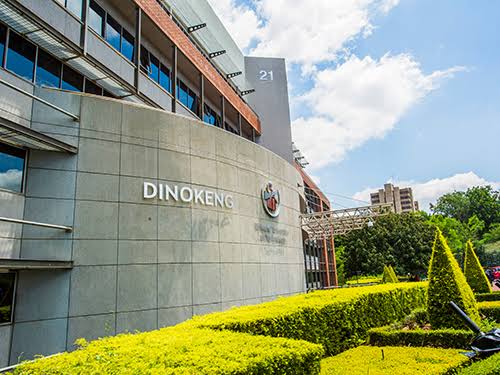
Seen Here: When safe water becomes an added expense, the crisis goes beyond the taps—it threatens public health, student dignity and already strained pockets. Access to clean water is a basic human necessity, not a privilege reserved for those who can afford it. Photo Credit: Sourced
Students at Tshwane University of Technology face mounting financial pressure as water safety concerns in parts of Gauteng force residents to seek alternatives to tap water.
Water has become an additional expense for university students in Gauteng, highlighting the financial strain that public service disruptions can place on people already struggling to make ends meet.
Water is one of the most basic necessities of life, yet recent water safety concerns in Gauteng have once again shown how quickly access to it can become a daily struggle.
When authorities advise residents that tap water should only be used for flushing toilets and must not be used for drinking, cooking, bathing or other household needs, the instruction is necessary to protect public health. However, it also raises a difficult question: how are ordinary people expected to cope when safe water is no longer readily available from their taps?
Water contamination raises public health concerns
The current warning from the City of Tshwane applies to areas supplied by the Bronkhorstspruit water system, where tests reportedly found serious bacterial contamination.
Residents in affected areas have been advised to use safe water supplied through municipal tankers and to continue following the restrictions until officials confirm that tap water is safe again.
The situation is a reminder that water quality is not merely a policy issue. It directly affects people’s health, daily routines, dignity and ability to meet their basic needs.
Students face additional financial pressure
For students at Tshwane University of Technology (TUT), the water crisis brings the financial implications of service disruptions into sharp focus.
Students already have to stretch limited allowances across transport, food, study materials and other essentials. Having to purchase bottled or prepared water on top of these expenses is far from a minor inconvenience.
Water is essential for drinking, preparing meals and maintaining basic hygiene. Buying sufficient quantities for these needs can quickly become expensive, particularly for students who depend on limited monthly allowances.
Some students have indicated that they are prepared to buy as much as 10 litres of water, but only for drinking.
This reflects the difficult choices students may be forced to make. Even when they understand the importance of consuming safe water, they may have to ration what they can afford and prioritise certain needs over others.
During periods of extreme heat, access to sufficient drinking water becomes even more critical. People should not have to choose between protecting their health and ensuring that their money lasts until the end of the month.
Concerns over the safety of commercially sold water
Questions have also emerged about whether prepared or refill water sold to consumers can always be trusted.
One consumer reportedly purchased self-refilling prepared water from an established supermarket and subsequently developed a stomach illness.
The experience raises understandable concerns about the handling and safety of water sold for consumption, particularly when residents are increasingly dependent on alternatives to municipal tap water.
However, a stomach illness alone does not establish that the water caused the illness or that the retailer misrepresented the product. The incident should be taken seriously and investigated rather than treated as proof of deliberate wrongdoing by supermarkets.
Retailers selling water for consumption have a responsibility to ensure that their products meet applicable safety requirements and are handled hygienically.
Consumers who suspect that water may be unsafe should retain their receipts and packaging or product details, report their concerns to the retailer and relevant health authorities, and seek medical advice if symptoms are severe or persistent.
Public health officials should investigate credible complaints and communicate their findings transparently. When people rely on commercially sold water during a public health concern, consumer confidence must be supported by appropriate safety checks rather than labels and assurances alone.
Authorities must ensure access to safe water
It would be unfair to expect students and other low-income households to absorb the full cost of a public service failure.
Residents must follow official safety advice and avoid using contaminated tap water for activities that could expose them to health risks. At the same time, authorities responsible for water quality and delivery have a duty to communicate clearly, provide reliable access to safe alternatives and explain what is being done to prevent a recurrence.
Demanding accountability does not mean disregarding the seriousness of a water safety warning. It means recognising that an emergency response must also consider those least able to afford alternative supplies.
Water tankers, clear information about collection points and consistent public updates are essential. Authorities must also ensure that assistance reaches those who need it most, including students, elderly residents, people with disabilities and households unable to afford large quantities of bottled water.
Safe drinking water must not become a luxury
The crisis raises broader questions about planning, infrastructure maintenance and oversight.
Safe drinking water should never become a luxury accessible only to those who can afford to pay extra for it. Where failures in water treatment, infrastructure maintenance or public communication place communities at risk, the responsible authorities must investigate what went wrong, take responsibility and demonstrate how the problems will be addressed.
Apologies matter, but prevention, transparency and dependable service delivery matter more.
For students, every unexpected expense competes with another necessity in an already constrained budget. Expecting them to continue purchasing water without adequate practical support fails to account for their financial circumstances.
The crisis demands more than public warnings. It requires a response that recognises the real cost of living through a public health emergency and places the needs of affected communities at the centre of decision-making.
Access to safe water is a basic necessity, not an optional extra, and people should not be left to carry the burden of failures they did not cause.
#CommunityNewsroom #WaterCrisis #StudentVoices #AccessToWater #PublicAccountability