

By: Lonwabo Mtyeku | Pictures: Supplied

Standing (Left To Right): The Kokota Growth Programme SMME recipients Lufuno Nengome of Funo Tasty Eats; Kabelo Ndlovu of Ema’bhodweni with Kabelo; Tiro Maponyane of Map’s Eatery; Bongani Rikhotso of 911 Exclusive; Keketso Mosia of Keke’s Kitchen; Nthabiseng Mmola of Simply Blessed Projects; Vongani Chavalala of Rhengu’s Kitchen; Ngetelelani Masinga of Yebo Chef; and Xolisile George of Snack Time with Tiger Brands’ Enterprise and Supplier Development Small Business Consultant, Thato Molefi (far right)In Front (Left To Right): Tiger Brands’ team, Noluthando Mzima, Enterprise and Supplier Development Small Business Consultant; Rivoni Shirinda; Enterprise Development Specialist; and Maanda Milubi, ESD & Transformation Director. Photo Credit: Supplied.
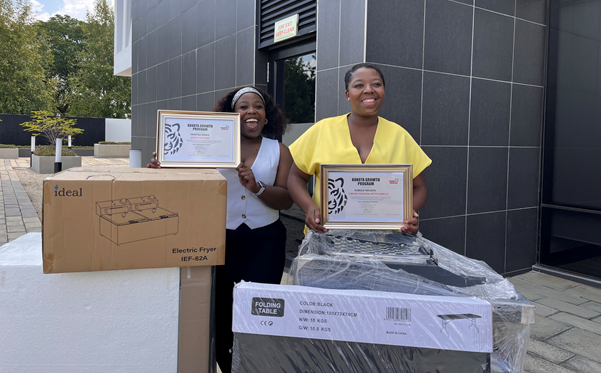
Nine township-based entrepreneurs operating within the food service and supply chain sector in Gauteng have received critical equipment and business development support aimed at helping them scale their operations and strengthen their presence in the township economy.
The support forms part of the Kokota Growth Programme, an initiative spearheaded by Tiger Brands to empower small and medium enterprises (SMEs) operating within South Africa’s rapidly expanding township market.
The selected entrepreneurs represent a wide spectrum of township food solutions, including kota vendors, catering services and mobile prepared-food operators. The programme seeks to equip these businesses with the tools, training and market access needed to transform them into sustainable enterprises capable of participating in broader commercial supply chains.
From Kota Festival to Business Growth
The nine businesses were selected from vendors who participated in the Albany-sponsored Kota Festival, an event designed to showcase township culinary innovation and entrepreneurial talent.
Selection focused on vendors who were actively trading during the festival and demonstrated strong growth potential. Key criteria included commitment to the programme, operational consistency during the festival, readiness to comply with food safety standards and alignment with Albany’s quality brand expectations.
Through the programme, entrepreneurs received upgraded operational equipment such as modern cooking appliances, food preparation stations and storage units designed to improve productivity and efficiency.
Beyond equipment support, the programme also provides business development assistance including:
- Financial management training
- Marketing and brand development support
- Operational guidance to strengthen business sustainability
This holistic approach aims to help township businesses transition from informal trading into structured enterprises capable of accessing larger markets.
Unlocking Township Economic Potential
According to Maanda Milubi, Enterprise and Supplier Development and Transformation Director at Tiger Brands, the initiative reflects the company’s commitment to inclusive economic growth.
“SMMEs are widely recognised as key drivers of job creation in South Africa, yet many still face barriers to accessing markets, funding, business support and essential infrastructure,” Milubi said.
“Tiger Brands aims to drive inclusive economic growth by empowering township entrepreneurs not just to survive, but to grow and formalise their businesses, and participate meaningfully in South Africa’s evolving food value chain.”
The company has been increasing its footprint in the township economy, which is estimated to be worth more than R900 billion, according to research cited in the Standard Bank Township Economy Report.
As part of this strategy, Tiger Brands aims to expand its reach to 150,000 general trade stores across the country.
Entrepreneurs Making an Impact
The Kokota Growth Programme has already begun delivering tangible benefits for the participating entrepreneurs.
Among the beneficiaries is 911 Exclusive, owned by Bongani Rikhotso in Katlehong. The business has successfully expanded operations and opened a second branch in the Vaal region following operational upgrades.
In Naledi, Soweto, Ema’bhodweni with Kabelo, owned by Kabelo Ndlovu, has strengthened its productivity and customer reach through improved operational systems and marketing support.
Another beneficiary, Funo Tasty Eats, owned by Lufuno Nengome, has secured a trading opportunity at Kibler Secondary School in Johannesburg South while improving its cooking and storage capacity.
In Katlehong, Keke’s Kitchen, owned by Keketso Mosia, enhanced service efficiency through the introduction of improved kitchen infrastructure, while Map’s Eatery, owned by Tirelo Maponyane, improved its customer experience through operational upgrades and targeted marketing initiatives.
Mobile food enterprise Rhengu’s Kitchen, run by Vongani Chavalala in Tembisa, has expanded its operational reach following a refreshed mobile setup and improved branding.
In Strubenvale, Springs, catering business Simply Blessed Projects, owned by Nthabiseng Mmola, has strengthened its position in the corporate and events catering market with the addition of a second food trailer.
Meanwhile, Snack Time, owned by Xolisile George and operating from the Lakeside Taxi Rank, Benoni, has upgraded its service delivery with improved branding and modern operational tools.
In Soweto, Yebo Chef, owned by Ngetelelani Masinga, has enhanced its market visibility through a refreshed brand identity, including a new logo and promotional materials.
Strengthening the Township Food Economy
The Kokota Growth Programme highlights the increasing role that corporate partnerships can play in strengthening township entrepreneurship and expanding opportunities within South Africa’s informal and semi-formal business sectors.
By providing targeted resources, training and infrastructure support, initiatives such as this help bridge the gap between grassroots entrepreneurship and formal market participation — enabling township businesses to grow, create jobs and contribute more meaningfully to the country’s broader economic development.
As the township economy continues to expand, programmes like Kokota are expected to play an increasingly important role in unlocking the full potential of local entrepreneurs and strengthening South Africa’s food value chain.