By: Lonwabo Mtyeku | Photo Credit: Tim Bernard
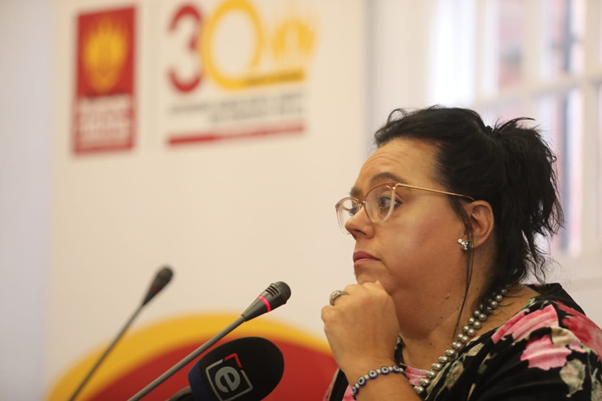
Seen Here: The South African Human Rights Commission launches a public inquiry into Gauteng’s escalating water crisis, placing human rights, service delivery and government accountability firmly under the national spotlight. Photo Credit: Tim Bernard
The South African Human Rights Commission (SAHRC) will convene a three-day Public Investigative Inquiry into Gauteng’s worsening water crisis, as growing service delivery failures continue to threaten the constitutional rights and daily lives of millions of residents across the province.
In a media advisory issued on 16 May 2026, the Commission confirmed that its Gauteng Provincial Office will lead the inquiry as part of its constitutional mandate to promote, protect and monitor the observance of human rights in South Africa.
The investigation follows numerous complaints lodged with the Commission regarding persistent water shortages, deteriorating infrastructure, governance failures, recurring supply disruptions and the declining reliability of municipal water systems across Gauteng.
According to the SAHRC, the ongoing crisis has had a devastating impact on vulnerable communities, particularly residents in informal settlements, schools, healthcare institutions and social care facilities that continue to endure prolonged periods without reliable access to water.
The Commission warned that the situation raises serious constitutional concerns involving the rights to dignity, equality, life, healthcare, a healthy environment and access to sufficient water.
“The recurring disruptions in water supply raise serious concerns regarding the enjoyment of several constitutional rights,” the Commission stated.
The inquiry is also expected to scrutinise emergency intervention mechanisms, particularly the growing dependence on private water tanker systems during extended outages. Concerns have intensified in recent months over the effectiveness, transparency and sustainability of emergency water distribution measures across several municipalities.
The Commission emphasised that access to sufficient water is a constitutionally protected right and that the state bears a direct obligation to respect, protect, promote and fulfil that right.
Among the key issues to be examined during the hearings are:
- The extent and nature of water access challenges across Gauteng;
- Causes of recurring shortages and infrastructure failures;
- Governance, planning and budgeting shortcomings;
- Infrastructure management systems;
- Emergency response interventions and intergovernmental coordination;
- The impact on vulnerable communities; and
- The effectiveness of municipalities and other state institutions.
The SAHRC has invited a broad range of stakeholders to participate in the proceedings, including government departments, municipalities, water entities, civil society organisations, technical experts and affected communities.
The inquiry will take place from 19 to 21 May 2026 at the Human Rights Conference Room at Constitution Hill in Braamfontein, Johannesburg, from 08:00 to 16:00 daily.
The hearings are expected to place renewed public scrutiny on Gauteng’s deepening infrastructure and governance challenges, while potentially shaping future accountability measures and long-term solutions aimed at restoring water security in South Africa’s economic hub.
For more information, visit [South African Human Rights Commission](https://www.sahrc.org.za?utm_source=chatgpt.com).