By: Lonwabo Mtyeku | Photo Credit: Supplied
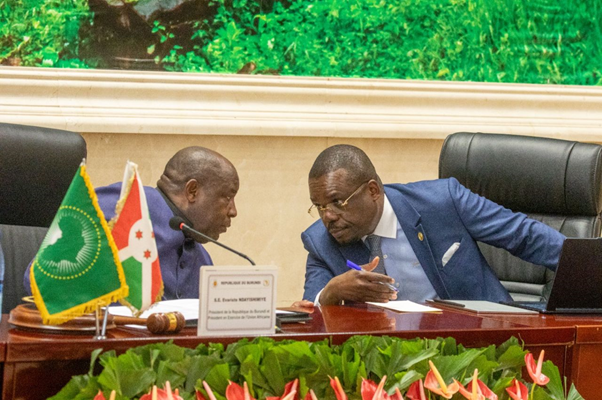
Seen Here: H.E. Évariste Ndayishimiye, President of the Republic of Burundi and Chairperson of the African Union, addresses the High-Level Emergency Meeting on the Ebola Bundibugyo outbreak. The summit mobilised US$910 million in pledges to strengthen response efforts in the Democratic Republic of the Congo and Uganda, underscoring Africa’s commitment to collective health security and regional solidarity. Photo Credit: Supplied
JOHANNESBURG – In a powerful demonstration of African unity and leadership, Heads of State, international health agencies, development partners and donors have mobilised an unprecedented US$910 million to combat the growing Ebola Bundibugyo outbreak affecting the Democratic Republic of the Congo (DRC) and Uganda.
Convened by H.E. Évariste Ndayishimiye, President of Burundi and Chairperson of the African Union, the High-Level Emergency Meeting marked one of the most significant continental public health mobilisations in recent history, reinforcing Africa’s determination to confront health emergencies through coordinated action, shared responsibility and collective leadership.
Of the total commitments announced, US$80 million was pledged directly by African Union Member States, a milestone that health experts say reflects a growing commitment by African nations to take ownership of the continent’s health security agenda.
The landmark gathering brought together African leaders, the African Union Commission, Africa Centres for Disease Control and Prevention (Africa CDC), the World Health Organization (WHO), regional economic communities, financial institutions, donors and global health partners around a common objective: stopping the outbreak before it escalates into a wider regional crisis.
A Race Against Time
Health authorities warn that the current outbreak remains a serious threat to communities across Central and East Africa.
The Joint Continental Preparedness and Response Plan requires an immediate US$518 million to fund critical interventions over the coming weeks, including surveillance, contact tracing, laboratory testing, treatment facilities, infection prevention and control, community engagement, logistics and cross-border coordination.
Leaders agreed that the full amount must be mobilised and disbursed within four weeks to prevent further transmission and avoid a dramatic escalation in costs and human suffering.
“Our people will not judge us by our declarations, but by our ability to interrupt transmission, protect health workers, restore community trust and guarantee dignified care for affected families,” said African Union Chairperson Évariste Ndayishimiye.
His remarks captured the urgency of a crisis that has already placed enormous strain on health systems, frontline responders and vulnerable communities.
Africa Takes Ownership
The meeting highlighted a significant shift in Africa’s approach to public health emergencies.
Rather than relying solely on international assistance, African governments stepped forward with substantial commitments, signalling a new era of continental responsibility and solidarity.
“African countries have stepped forward with US$80 million in commitments. This matters,” said Dr Jean Kaseya, Director-General of Africa CDC.
“It shows that Africa is taking responsibility for its own health security while calling on partners to align behind one plan, one budget and one team.”
Kaseya emphasised that while the pledges represent a major achievement, the immediate challenge now is ensuring rapid deployment of resources.
“The priority now is speed. Every pledge must translate into financing, supplies, people and support reaching the communities and responders on the ground.”
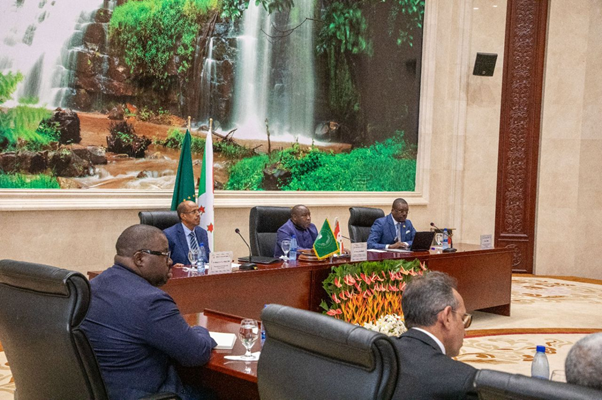
Seen Here: H.E. Dr Jean Kaseya, Director-General of Africa CDC, welcomes the US$910 million pledged during the African Union High-Level Emergency Meeting on Ebola. The funding will support surveillance, contact tracing, treatment, laboratory capacity and preparedness measures aimed at containing the outbreak and protecting vulnerable communities across the region. Photo Credit: Supplied
Frontline Battle Against Ebola
Health experts have identified several urgent operational gaps that continue to hamper containment efforts.
These include shortages of medical supplies, limited treatment and isolation capacity, inadequate protection for healthcare workers, challenges in conducting safe and dignified burials, and difficulties reaching communities affected by insecurity and population displacement.
Particular concern has been raised about contact tracing, widely regarded as the most effective tool for interrupting Ebola transmission.
Africa CDC and WHO have set an ambitious target of monitoring between 90% and 95% of all identified contacts throughout the virus’s 21-day incubation period.
Current response data indicates that significant gaps remain in contact follow-up and operational access, creating opportunities for continued spread.
If transmission is not rapidly contained, Africa CDC estimates that response costs could increase dramatically—from the current US$518 million requirement to as much as US$1.5 billion.
WHO Calls for Regional Cooperation
The World Health Organization reaffirmed its commitment to supporting affected countries and the broader continental response effort.
WHO Director-General Dr Tedros Adhanom Ghebreyesus stressed that cross-border cooperation would be critical to defeating the outbreak.
“Under the leadership of DRC’s government and neighbouring nations, and with sustained regional and international support, we can defeat this Ebola outbreak, as we have with previous outbreaks,” he said.
“Strong cross-border cooperation among affected countries and neighbours will be critical for both the Ebola response and in addressing wider humanitarian needs.”
Tedros also cautioned against neglecting other essential health services while focusing on Ebola containment.
Communities continue to face challenges linked to malaria, measles, malnutrition and maternal health, all of which require sustained attention and resources.
Science, Innovation and African Solutions
A major breakthrough emerging from the meeting was the announcement that the Coalition for Epidemic Preparedness Innovations (CEPI) will invest more than US$60 million to accelerate vaccine development for the Bundibugyo strain of Ebola.
The commitment is expected to significantly advance clinical research while strengthening Africa’s participation in vaccine development, manufacturing and regulatory processes.
Leaders also renewed calls for greater support for the African Medicines Agency and the African Pooled Procurement Mechanism to improve access to critical medical countermeasures and reduce reliance on external supply chains.
The message was clear: Africa must not only respond to health crises but also build the institutions and capabilities necessary to manage future outbreaks independently.
Beyond Pledges: Delivering Results
Recognising that commitments alone do not save lives, Africa CDC announced the establishment of a weekly accountability tracker that will monitor financial disbursements, medical supplies, deployed personnel, technical assistance and operational gaps.
The mechanism is designed to ensure transparency and accelerate delivery of resources where they are needed most.
As the meeting concluded, leaders issued a united appeal to governments, development partners, philanthropies, financial institutions and the private sector.
The call was simple but urgent: move from promises to action.
For millions of Africans living in affected and at-risk communities, the success of this response will not be measured by the size of the pledges announced in conference rooms, but by the speed at which support reaches hospitals, clinics, health workers and families on the frontlines.
The US$910 million commitment represents more than a financial milestone. It is a declaration that Africa is prepared to confront one of its most pressing public health challenges together.
In the battle against Ebola, continental solidarity may prove to be the most powerful medicine of all.