
By Lonwabo Mtyeku – GP News Media, Community Newsroom
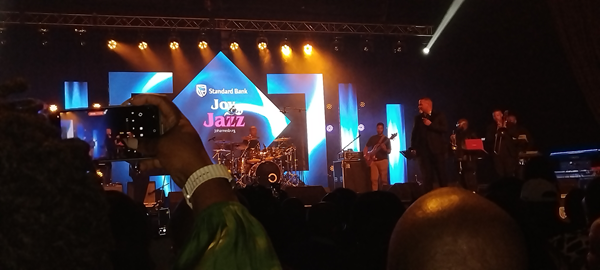
Johannesburg’s Sandton Convention Centre pulsed with rhythm, elegance, and history this past weekend as the Standard Bank Joy of Jazz festival once again reaffirmed its place as South Africa’s premier live music showcase. More than a concert, it was a celebration of heritage, artistry, and the enduring power of jazz to connect generations and cultures.
For more than two decades, Joy of Jazz has stood as the beating heart of South Africa’s live music scene. This year, on Heritage Day weekend, the festival carried a symbolic resonance—uniting diverse audiences under a single roof where saxophones sang, bass lines walked with swagger, and voices soared with soulful defiance.
A Stage of Legends and New Voices
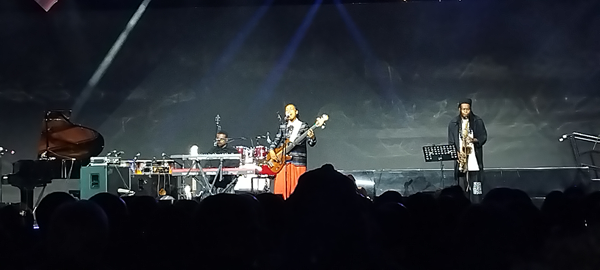
The 2025 lineup was a masterclass in curation, pairing international giants with South Africa’s most exciting local talent. Audiences were treated to spellbinding performances from jazz legends whose names carry weight across continents, alongside boundary-pushing young artists redefining what the genre can be in the 21st century.
The result? A dialogue between eras. The greats reminded us of jazz’s timeless roots, while emerging voices electrified the room with fresh rhythms drawn from amapiano, Afrobeat, and neo-soul influences.
As one audience member put it: “Joy of Jazz has always been about memory and future at once. Tonight felt like watching history and tomorrow share the same stage.”
Heritage Day in Full Colour
Hosting the festival over the Heritage Day weekend proved to be more than coincidence—it was a conscious framing of jazz as cultural inheritance. Patrons dressed in bold African prints and elegant evening wear, embodying the event’s seamless blend of glamour and authenticity.
Between sets, conversations drifted from the political edge of Hugh Masekela’s legacy to the global rise of South Africa’s contemporary soundscapes. Jazz, as always, was more than music; it was commentary, connection, and celebration.
Atmosphere, Ambience, and Joy
The Sandton Convention Centre transformed into a temple of sound. Each stage offered a distinct journey: intimate duets in smaller rooms, big band explosions in the main hall, and improvisational jam sessions spilling into the early hours.
What struck many was not only the calibre of the musicianship but the intimacy of the experience. Despite the grandeur of the venue, every performance felt personal—as though each artist was in conversation with the audience, weaving notes into shared memory.
Standard Bank’s Enduring Role in Cultural Stewardship
For over two decades, Standard Bank has not just sponsored Joy of Jazz—it has nurtured it as a platform of cultural continuity. In a country where the arts often struggle for sustainable support, the bank’s investment in live music has become a pillar of heritage preservation and innovation.
In her remarks, one of the event’s hosts noted: “Jazz is not just music; it’s testimony. It tells the story of our resilience, our beauty, and our complexity. Standard Bank Joy of Jazz continues to be the archive where those testimonies are sung.”
A Legacy That Plays On
As the final notes faded and audiences spilled out into Sandton’s cool night air, one thing was clear: Joy of Jazz is more than an event. It is an inheritance.
It carries forward the spirit of legends like Miriam Makeba and Abdullah Ibrahim, while daring to imagine the future with young virtuosos who push boundaries and expand definitions. It is both remembrance and rebirth, reverence and rebellion.
Above all, it is joy.
Conclusion
The Standard Bank Joy of Jazz 2025 will be remembered not only for the virtuosity of its performers but for the way it framed jazz as living heritage—an art form that belongs to yesterday, today, and tomorrow. In a time when South Africa continues to search for unity and renewal, jazz once again reminded us of our capacity to harmonize difference, to improvise in the face of challenge, and to find joy even in dissonance.
Because at Joy of Jazz, the music never ends—it lingers, it teaches, it inspires.