By: Lonwabo Mtyeku | Photo Credit: Sourced
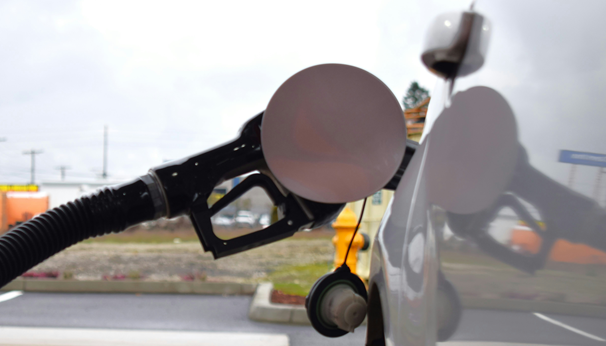
Seen Here: Rising global oil prices and local vulnerabilities place South Africa’s fuel sector under pressure—highlighting a growing challenge of affordability, stability, and long-term energy resilience. Photo Credit: Sourced
South Africa’s fuel landscape is entering a period of heightened strain, shaped by global instability, rising oil prices, and long-standing structural vulnerabilities. While the country is not yet facing widespread shortages, the convergence of these pressures is creating a challenging environment marked by escalating costs and growing economic concern.
Global Tensions, Local Impact
At the centre of the current pressure is volatility in global oil markets, largely driven by geopolitical tensions in key energy-producing regions. Disruptions to major supply routes have pushed crude oil prices sharply higher, sending ripple effects across fuel-importing nations.
For South Africa—heavily dependent on imported refined fuel—these global shifts translate directly into rising domestic fuel prices, placing strain on households, businesses, and the broader economy.
Rising Prices Reshape the Economic Outlook
Fuel price increases are emerging as one of the most immediate and visible consequences of this global disruption. As import costs climb, so too does the pressure on local pump prices, with sharp adjustments expected to filter through in the coming months.
The implications extend far beyond the forecourt. Higher fuel costs drive up transport expenses, increase food prices, and contribute to broader inflation—tightening household budgets and raising operating costs across industries.
Stability with Underlying Pressure
Despite growing public anxiety, authorities maintain that fuel supply remains stable for now. Imports continue, and there is no indication of a nationwide shortage in the immediate term.
However, beneath this stability lies a system under stress. Reports of localised diesel constraints, particularly in sectors like agriculture, point to emerging supply pressures. At the same time, consumer behaviour—such as stockpiling—can amplify demand and further strain distribution networks.
In this sense, the system is holding—but not without tension.
Structural Challenges Come Into Focus
The current situation has once again highlighted a critical vulnerability: South Africa’s reliance on imported fuel and limited domestic refining capacity.
With relatively low strategic fuel reserves compared to global benchmarks, the country remains exposed to external shocks. This dependence means that international developments—over which South Africa has little control—can have immediate and significant domestic consequences.
Economic Ripple Effects
The impact of rising fuel costs is already being felt across key sectors:
- Logistics and transport costs are climbing, affecting supply chains
- Agriculture faces pressure from both pricing and supply reliability
- Consumers are grappling with a rising cost of living
- Businesses are absorbing higher operational expenses
These dynamics risk fuelling broader inflationary pressures, potentially complicating economic recovery and policy decisions.
A Defining Moment for Energy Resilience
While the situation may not yet constitute a full-scale crisis, it serves as a clear warning signal. South Africa’s fuel system is resilient—but also vulnerable.
The current strain underscores the need for long-term solutions, including:
- Expanding strategic fuel reserves
- Strengthening local refining capacity
- Diversifying energy sources
- Exploring policy measures to cushion consumers
Looking Ahead
As global uncertainty continues to shape energy markets, South Africa faces a delicate balancing act—maintaining supply stability while managing rising costs and economic impact.
For now, the country’s fuel challenge is less about availability and more about affordability. But in an interconnected global system, today’s pressures could quickly evolve into tomorrow’s disruptions.
In this unfolding moment, the true test will be how effectively South Africa transforms vulnerability into resilience—before the next shock arrives.