

By: Lonwabo Mtyeku Photo Credit: Sourced
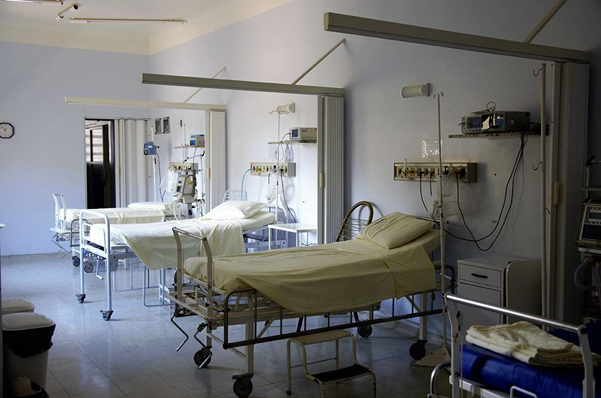
Seen Here: NPA moves to prosecute those implicated in the Life Esidimeni tragedy as the National Prosecuting Authority advances accountability, while the court dismisses Fannie Nkosi’s bid for hospital detention, reinforcing a firm stance on due process. Photo Credit: Sourced
South Africa’s long-running quest for justice in the Life Esidimeni tragedy has entered a decisive new phase, with the National Prosecuting Authority (NPA) confirming it will proceed with criminal charges linked to the deaths of 141 mental health patients. The development comes as the court dismissed an application by Fannie Nkosi to be transferred to a medical facility instead of remaining in custody.
The dual developments signal renewed institutional momentum in a case that has come to symbolise systemic failure, state negligence, and the marginalisation of vulnerable citizens.
A Turning Point in a National Tragedy
The Life Esidimeni saga, which unfolded between 2015 and 2016, saw the transfer of psychiatric patients from licensed care facilities to ill-equipped NGOs under a cost-cutting initiative by the Gauteng Department of Health. The result was catastrophic: patients died from starvation, dehydration, and neglect, in what has been widely described as one of South Africa’s gravest human rights violations in the democratic era.
Following years of inquests, arbitration, and mounting public pressure, the NPA has now indicated that it is ready to move forward with prosecutions. While the full list of individuals to be charged has not yet been publicly disclosed, the decision marks a critical shift from inquiry to accountability.
Legal analysts note that the move could set a precedent for prosecuting state officials and associated actors for gross negligence and culpable homicide in cases involving systemic governance failures.
Court Rejects Nkosi’s Application
In a parallel but related development, the court has denied an application by Sergeant Nkosi, who sought to be held in a medical facility citing health concerns. The court found insufficient grounds to warrant deviation from standard detention procedures, ruling that appropriate medical care can be administered within the correctional system.
The judgment underscores the judiciary’s firm stance on ensuring that due process is not undermined, particularly in high-profile cases that carry significant public interest.
Families Demand Justice
For the families of the deceased, the NPA’s decision brings a mixture of cautious hope and lingering grief. Advocacy groups and civil society organisations have long argued that justice delayed risks becoming justice denied, with many families having waited nearly a decade for meaningful legal action.
The case has also reignited debate around mental health care infrastructure, oversight mechanisms, and ethical governance in public health administration.
Broader Implications
The anticipated prosecutions are expected to test the prosecutorial capacity of the NPA in handling complex, multi-actor cases involving both public officials and private entities. It may also force a national reckoning on how vulnerable populations are protected—or failed—by the state.
As the legal process unfolds, South Africans will be watching closely, not only for verdicts, but for signs that accountability, reform, and dignity for the victims are finally being realised.
The road to justice in the Life Esidimeni case has been long and fraught. With the NPA now stepping forward, the country stands at a pivotal juncture—one that could redefine both legal accountability and moral responsibility in the years ahead.