

By: Lonwabo Mtyeku | Photo Credit: Sourced

Motoring | South Africa
Volkswagen has long been one of South Africa’s most trusted automotive brands, combining German engineering with local manufacturing depth and a product range that spans first-time buyers, families and performance enthusiasts. As 2026 approaches, Volkswagen South Africa is preparing for one of its most important product refresh cycles yet — one shaped by evolving consumer expectations, stricter emissions standards and the steady transition toward electrified mobility.
While the Golf and Polo remain cultural icons on local roads, the story for 2026 is not simply about replacing old favourites. It is about repositioning Volkswagen for a market that increasingly demands smarter technology, improved efficiency and stronger value propositions across every segment.
A sharper focus on modern hatchbacks
Volkswagen’s hatchback lineage remains central to its South African strategy, and 2026 will see refreshed iterations that emphasise digitalisation, safety and efficiency. Expect cleaner exterior styling, more intuitive infotainment systems and expanded driver-assistance features across key models.
The Polo, produced locally at Volkswagen’s Kariega plant, continues to anchor the brand’s volume strategy. Updates expected for 2026 are likely to focus on interior technology, connectivity and improved powertrain efficiency, reinforcing the Polo’s position as one of the country’s best-selling passenger vehicles.
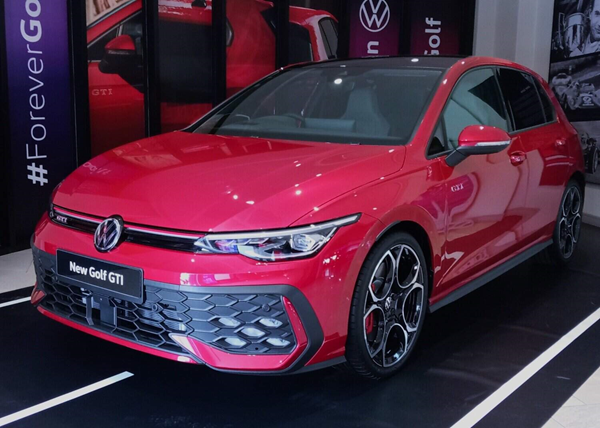
Higher up the range, the Golf nameplate is expected to further evolve with more refined design cues and performance-focused derivatives that preserve its enthusiast appeal while meeting modern regulatory demands.
SUVs remain the growth engine
If one segment defines South Africa’s current buying patterns, it is SUVs — and Volkswagen is doubling down. The brand’s SUV portfolio is expected to expand and mature further in 2026, offering more choice across compact, mid-size and lifestyle-oriented models.
Refinements to existing SUVs are expected to bring enhanced cabin quality, upgraded infotainment systems and broader standard equipment levels. Volkswagen’s strategy is clear: deliver premium feel without premium pricing, positioning its SUVs as strong alternatives to both mainstream rivals and entry-level luxury offerings.
For South African buyers, this translates into vehicles better suited to long-distance travel, mixed road conditions and everyday practicality — without sacrificing the driving dynamics Volkswagen is known for.
Electrification: steady, not rushed
While South Africa’s electric vehicle market remains in its early stages, 2026 will mark a more visible shift in Volkswagen’s electrification strategy locally. Rather than an aggressive, all-at-once rollout, the approach is expected to be measured and market-specific.
Hybrid and electrified powertrains are likely to play a growing role, offering improved fuel efficiency and lower emissions without relying solely on charging infrastructure that is still developing. Fully electric models may remain niche for now, but they signal Volkswagen’s long-term commitment to aligning South Africa with global mobility trends.
Performance and heritage still matter
Volkswagen understands that emotion still sells. Performance derivatives and sport-styled variants remain an important part of the brand’s DNA, and 2026 is expected to continue this tradition.
From GTI-inspired styling packages to performance-focused drivetrains, Volkswagen is expected to maintain offerings that appeal to driving purists — a crucial differentiator in a market where brand loyalty runs deep.
Local relevance remains key
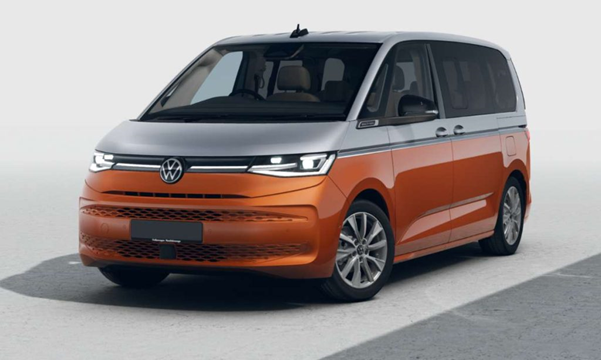
Perhaps Volkswagen’s greatest advantage in South Africa is its local manufacturing footprint. As the automotive industry faces global supply-chain pressures and rising costs, local production gives Volkswagen flexibility, pricing resilience and relevance.
For consumers, this means vehicles tailored to South African conditions, supported by a strong dealer network and long-term parts availability — factors that increasingly influence purchasing decisions.
A year of evolution, not disruption
The Volkswagen line-up for South Africa in 2026 is shaping up to be less about radical reinvention and more about intelligent evolution. Improved technology, refreshed design, stronger SUV offerings and a cautious but deliberate move toward electrification define the brand’s direction.
In a market that values reliability, resale value and everyday usability, Volkswagen’s 2026 strategy reflects a clear understanding of local realities. The message is simple: stay familiar, stay competitive — but keep moving forward.
For South African motorists, that means more choice, better technology and a Volkswagen range that continues to feel relevant in a rapidly changing automotive world.


