By: Lonwabo Mtyeku | Photo Credit: Supplied
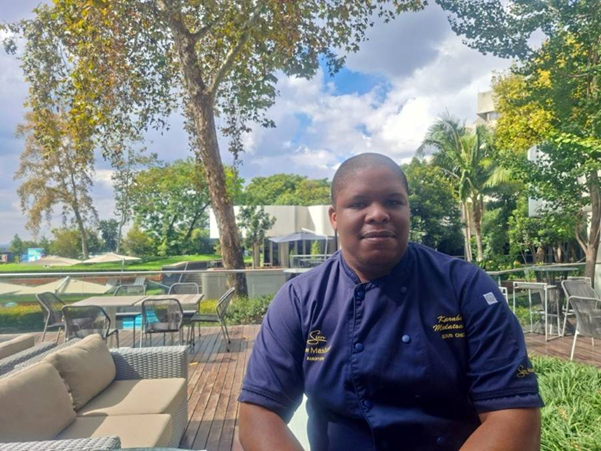
Johannesburg, South Africa — In the high-pressure environment of a professional kitchen, precision is everything. For Karabo Molatsana, sous chef at The Maslow Sandton, success begins long before a dish reaches the plate. It starts with a philosophy rooted in discipline, structure, and intent: mise en place — “everything in its place.”
Six months into his role at the Sandton-based hotel, Molatsana is helping shape a culinary offering that balances technical excellence with creative expression, drawing from years of experience in some of South Africa’s most demanding kitchens.
Elevating the Everyday
While Molatsana is often recognised for his expertly executed meat and pasta dishes, his culinary curiosity extends to the unexpected.
“The sandwich is a masterclass in balance,” he explains. “You can take something as simple as bread and layer flavours, textures, and temperatures to create something truly sophisticated.”
That philosophy—finding complexity in simplicity—defines his broader approach to cooking: thoughtful, layered, and grounded in technique.
The Discipline Behind the Plate
At the core of Molatsana’s kitchen ethos is preparation. In an environment where timing is critical and margins for error are slim, mise en place is not optional—it is foundational.
“Success in a high-volume kitchen is 90% preparation,” he says. “Having every component prepped and organised is the only way to maintain calm, precision, and consistency during a busy service.”
This structured mindset extends beyond professional kitchens, he adds, offering valuable guidance for home cooks attempting complex recipes for the first time.
A Journey Forged Under Pressure
Molatsana’s culinary trajectory reflects both ambition and adaptability. His career began at Riverside Sun as a commis chef before rapidly progressing through the ranks.
He was later headhunted to join the opening team at Kream Mall of Africa as a junior sous chef, followed by a pivotal role at Gemelli, where he rose to executive sous chef.
Post-pandemic industry shifts saw him transition into private cheffing before stepping into leadership roles at the Empact Group, Six33 Country Clubhouse, and Fireroom Montecasino.
From Accounting to Culinary Arts
Interestingly, Molatsana’s path to the kitchen was not linear. After attending Willowridge High School, he initially pursued a degree in Financial Accounting through University of South Africa.
But a defining moment during a Grade 9 career exhibition altered his trajectory.
“I met a professional chef whose presentation opened my eyes to the reality of the industry,” he recalls. “It transformed a personal passion into a clear, achievable career goal.”
He went on to formalise his training at The Capital Hotel School, earning a National Diploma in Culinary Arts—a decision validated early when one of his original dishes was selected for a major cooking competition final during his first year.
Navigating a Changing Culinary Landscape
Molatsana believes the culinary industry has undergone a significant transformation in recent years, driven by digital innovation and cultural shifts.
“The rise of foodie culture and social media has democratised fine dining,” he explains. “At the same time, we’re seeing a resurgence of indigenous cuisines finally getting the recognition they deserve globally.”
He also points to the growing trend of elevated street food, where chefs reinterpret traditional, local dishes using refined techniques.
“Artisanal food markets are particularly important—they create a direct connection between producers and consumers while encouraging creativity and experimentation.”
Life Beyond the Kitchen
When he’s not leading a service or refining a menu, Molatsana finds inspiration in the very spaces shaping contemporary food culture.
Exploring local markets with his wife offers both personal enjoyment and professional insight into emerging trends. And when it’s time to switch off, he turns to gaming—“a quick game of FIFA,” he says, “to reset.”
Signature Dish: Seafood Di Maria
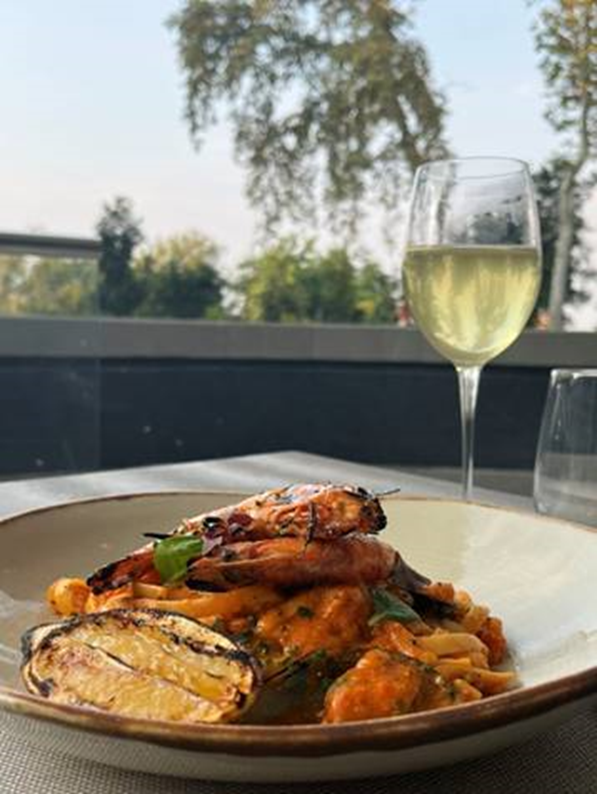
Among his standout creations is Seafood Di Maria, a refined seafood pasta that exemplifies his approach to balance and technique. The dish combines prawns, calamari, and mussels in a rich Napolitana-based sauce, enhanced with cream and aromatic herbs.
The result is a dish that is both technically precise and deeply comforting—a reflection of Molatsana’s culinary identity.
He describes seafood as the most challenging ingredient to master:
“It’s incredibly unforgiving. The difference between perfectly cooked and overdone is a matter of seconds. It demands intuition and discipline.”
Yet, in mastering that challenge, Molatsana has crafted a dish that captures the essence of his philosophy: precision, preparation, and respect for ingredients.
As South Africa’s culinary scene continues to evolve, chefs like Karabo Molatsana are helping define its future—one plate, and one perfectly executed detail, at a time.