

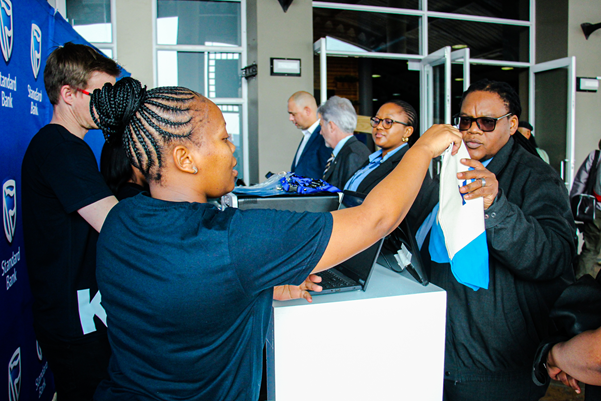
The Kasi SMME Summit 2025, hosted by Standard Bank South Africa (SBSA), has firmly positioned itself as one of the most important gatherings for township entrepreneurs, innovators, and policymakers. Framed around the urgent task of transforming township economies into engines of inclusive growth, the summit brought together high-level banking executives, development specialists, and grassroots entrepreneurs under one roof.
Held against the backdrop of South Africa’s ongoing efforts to stimulate small and medium-sized enterprises (SMMEs), the summit explored themes of innovation, funding, sustainability, and regulatory compliance, while creating a platform for township entrepreneurs to pitch their businesses to potential backers.
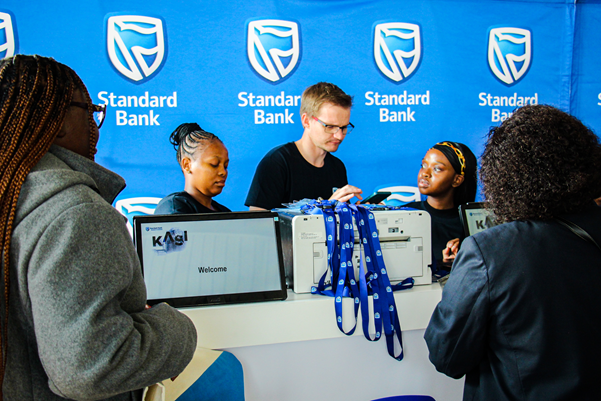
Opening: A Call to Action
The event opened with celebrated broadcaster Gugulethu Mfuphi as MC, whose energy set a vibrant yet professional tone. In his keynote opening address, Oscar Siziba, Executive Head of Business Banking Coverage at Standard Bank, emphasized that township economies are not marginal or peripheral to South Africa’s growth story but rather central nodes of resilience, creativity, and potential job creation.
“Township entrepreneurs are building solutions that matter,” Siziba stated. “But to thrive, they require access to funding, digital innovation, and structural support. This summit is about creating those pathways.”
Panel 1: Future-Proofing Township Enterprises
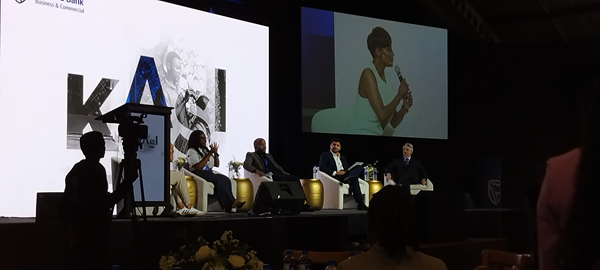
The first panel, “Future Proofing Your Business: How Innovation and Funding Can Transform Township Businesses”, brought together key figures including Naledzani Mosomane (Enterprise and Supplier Development, SBSA), Thabo Serame (entrepreneur and e-commerce specialist), Muzzafar Nagvadari (Merchant Solutions, SBSA), and Robert Shaddock (Corporate & Business Insurance, SBSA).
Discussions underscored that funding is not enough — township enterprises must adopt digital technologies, e-commerce platforms, and risk-mitigation strategies to remain competitive. Serame highlighted the power of online marketplaces in opening township products to wider audiences, while Mosomane spoke to the critical role of supplier development in integrating small enterprises into corporate value chains.
Keynote: Inspiration in Action
Fashion entrepreneur Tshepo Mohlala, founder and CEO of Tshepo Jeans, delivered the keynote address — an authentic narrative of how persistence, branding, and a clear value proposition turned a township-based startup into an internationally recognized denim label.
Mohlala’s journey underscored the summit’s central message: township entrepreneurs can transcend survivalist models when innovation is paired with resilience and long-term vision. His story resonated deeply with the audience, bridging the gap between inspiration and practical application.
Panel 2: Beyond Survival — Towards Sustainable Impact
The second panel, “Beyond Survival: Building Sustainable, Compliant Township Enterprises with Real Impact”, shifted the focus from growth to longevity and compliance. Speakers included Nico Jacobs (CEO, South African Future Trust), Sameer Bagwandeen (Energy & Infrastructure, SBSA), Sanele Zulu (CEO, Green Youth Network), and Thulisile Mchunu (Tax Consultant, SARS).
The conversation explored sustainability in its broadest sense: financial, environmental, and regulatory. Jacobs emphasized the need for patient capital and trust-based funding models, while Zulu spotlighted the importance of green business practices in preparing township economies for the energy transition. Mchunu addressed the often-overlooked challenge of tax compliance, arguing that regulatory literacy is not only about avoiding penalties but also about building credibility with investors and larger corporations.
The Pitching Challenge: Ideas Meet Opportunity
The summit’s most dynamic segment was the Pitching Challenge, where 18 regional SMEs pitched to a judging panel comprising Nokhanyo Ntshingila (SBSA), Thulani Mashiloane (Letsema Consulting), and Buchule Sibaca (SMTax).
The challenge went beyond rhetoric, offering a practical platform for entrepreneurs to showcase solutions, secure visibility, and gain constructive feedback. Winning pitches were celebrated as examples of how innovation thrives in township contexts, often solving hyper-local problems with scalable potential.
Academic Lens: The Township Economy as a Developmental Frontier
From an academic perspective, the summit can be situated within broader debates on inclusive development and entrepreneurial ecosystems. Township economies, often sidelined in formal economic models, embody what development theorists term “informal resilience economies” — systems that adapt under constraints while producing employment and innovation.
However, without deliberate interventions around funding, infrastructure, and compliance, township enterprises risk remaining trapped in survivalist cycles. The Kasi SME Summit demonstrated an ecosystem approach: linking banks, entrepreneurs, tax authorities, and development specialists into a collaborative framework. This aligns with Schumpeter’s notion of “creative destruction,” where innovation reshapes markets, as well as with modern development theories that emphasize local agency and bottom-up growth.
Closing: Institutional Commitment
The summit concluded with Lesiba Matladi (Senior Manager, Enterprise & Supplier Development, SBSA), who delivered a heartfelt vote of thanks. He reiterated Standard Bank’s ongoing commitment to supporting township SMEs not just during high-profile summits but in the everyday realities of accessing capital, compliance, and networks.
The message was clear: township businesses are not charity cases; they are partners in South Africa’s economic transformation.
Conclusion: More Than an Event, A Movement
The Kasi SMME Summit 2025 transcended its agenda to emerge as both a policy intervention and a movement for change. By combining robust panel discussions, inspirational storytelling, and tangible entrepreneurial opportunities, it showcased what is possible when institutions and entrepreneurs collaborate.
For township businesses, the summit was more than just a networking opportunity — it was a reaffirmation that their ideas matter, their growth matters, and their sustainability matters in shaping South Africa’s inclusive economic future.


