

As the world celebrates International Rhino Day, Joburg Zoo turns the spotlight on conservation, education and the collective responsibility to secure a future for one of Africa’s most iconic species.
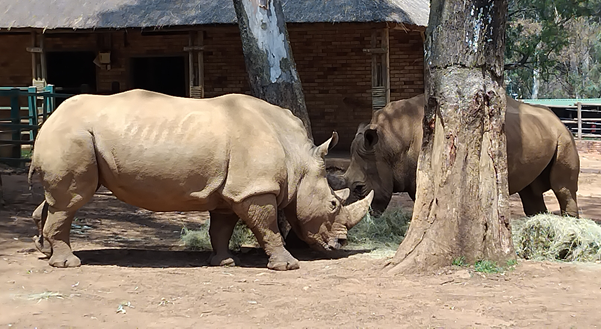
Seen Here: HONOURING THE RHINO. PROTECTING OUR HERITAGE. PRESERVING OUR FUTURE. Today, Joburg Zoo joins the world in marking International Rhino Day, shining a spotlight on one of Africa’s most iconic species and the urgent need to protect it. Beyond its size and strength, the rhino represents Africa’s extraordinary natural heritage — and its survival depends on conservation, education, responsible stewardship and collective action. International Rhino Day is a reminder that protecting wildlife is not only about today’s generation. It is about ensuring that future generations inherit a continent where rhinos can continue to thrive in the wild. Protect the rhino. Protect its habitat. Protect Africa’s natural heritage.Photo Credit: Lonwabo Mtyeku (Community Newsroom)
JOHANNESBURG, 22 September 2026 — The Johannesburg Zoo today joins conservationists, wildlife organisations and communities around the world in marking International Rhino Day, using the occasion to celebrate the remarkable rhinoceros while renewing the call for greater protection of the species.
Observed annually on 22 September, International Rhino Day provides an important platform to raise awareness about the threats facing rhinos, including poaching, illegal wildlife trafficking and habitat loss.
At the heart of the day is a simple but powerful message: protecting rhinos is not only about saving an animal — it is about protecting Africa’s natural heritage for generations to come.
A day of awareness, education and action
For Joburg Zoo, International Rhino Day represents an opportunity to bring conservation closer to the public and particularly to young people.
The zoo has a long-standing role in environmental education, using its animals and conservation programmes to help visitors better understand biodiversity and the importance of protecting threatened species.
Previous Rhino Day activities at the zoo have included educational workshops, learner engagement and awareness campaigns highlighting the dangers of rhino poaching and the importance of conservation.
The approach reflects a broader understanding that conservation cannot succeed through enforcement alone. Education, community involvement and public awareness are equally important components of protecting vulnerable wildlife.
South Africa’s rhino legacy
South Africa occupies a central place in the global rhino conservation story.
The country’s rhino populations have faced sustained pressure from organised poaching networks, while conservation authorities, rangers, private reserves, communities and international partners continue working to protect the species.
The Department of Forestry, Fisheries and the Environment has described World Rhino Day as an opportunity to celebrate the rhinoceros while drawing attention to the need to protect and preserve the species from poaching.
The challenge extends beyond South Africa’s borders. All five living rhino species — the white, black, greater one-horned, Sumatran and Javan rhinos — face conservation pressures, with some populations critically threatened.
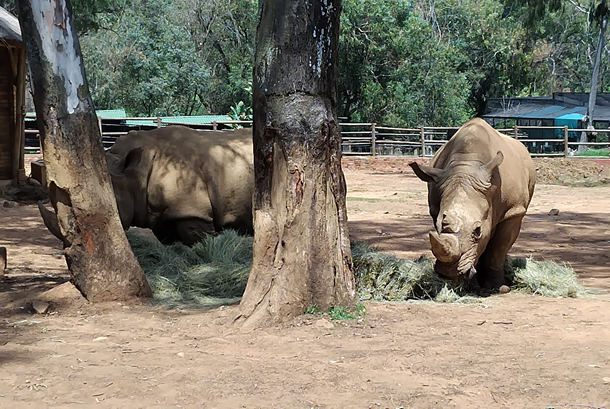
More than a symbol
The rhino is more than one of Africa’s famous Big Five.
It is an important part of the continent’s ecological heritage and a powerful symbol of the consequences of wildlife crime.
The continued survival of rhinos depends on a combination of effective conservation management, anti-poaching measures, habitat protection, scientific research, responsible tourism and communities that understand the value of living wildlife.
It also depends on the next generation.
By bringing children and families closer to wildlife, institutions such as Joburg Zoo can help turn curiosity into understanding — and understanding into a commitment to conservation.
Protecting the future
International Rhino Day therefore carries a message that reaches far beyond today’s celebrations.
It asks what kind of natural world today’s generation intends to leave behind.
The Johannesburg Zoo’s involvement in the day reinforces the importance of creating spaces where people can encounter wildlife, learn about conservation challenges and understand that protecting endangered species is a shared responsibility.
The question is ultimately bigger than whether future generations will see a rhino in a zoo, wildlife reserve or conservation area.
It is whether they will inherit landscapes where rhinos still roam freely in the wild.
As the world marks International Rhino Day, the call from conservationists remains clear: protect the rhino, protect its habitat and protect the future of Africa’s wildlife.
Because the future of the rhino cannot be secured by conservationists alone.
It requires all of us.
#InternationalRhinoDay #RhinoDay #JoburgZoo #SaveTheRhino #RhinoConservation #WildlifeConservation #AfricanWildlife #ConservationMatters #ProtectOurHeritage #CommunityNewsroom