By: Lonwabo Mtyeku | Photo Credit: Sourced
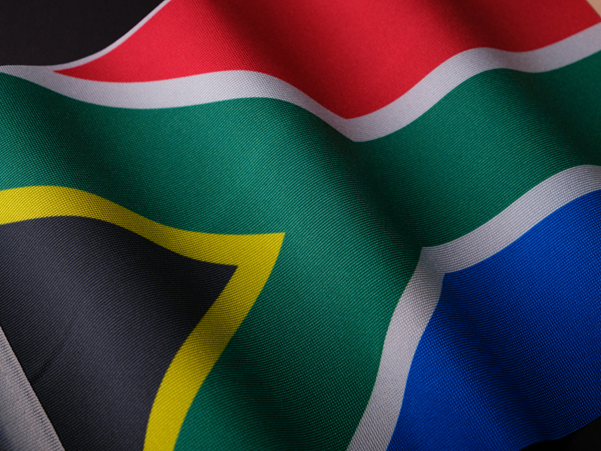
Seen Here: Celebrating Freedom Day — a powerful reminder of the historic 1994 South African general election and the enduring legacy of unity, resilience and democracy championed by Nelson Mandela. Photo Credit: Sourced
Every year on April 27, South Africa pauses to mark one of the most defining moments in its history—Freedom Day. It is a day that commemorates the country’s first democratic elections in 1994, an event that not only dismantled the institutional machinery of apartheid but also ushered in a new constitutional order grounded in equality, dignity and human rights.
The significance of this day cannot be separated from the historic breakthrough of the 1994 South African general election. For the first time, millions of South Africans of all races stood in long, patient queues to cast their votes—many doing so for the very first time. That moment symbolised more than a political transition; it marked the restoration of citizenship to those who had been systematically excluded from the democratic process.
At the centre of this transformation stood figures such as Nelson Mandela, whose election as the country’s first democratic president embodied the spirit of reconciliation and unity. Mandela’s leadership set the tone for a nation seeking not revenge, but healing—a path that would define South Africa’s early democratic years.
Freedom Day is, however, not only about reflection on a singular historic moment. It is also about recognising the broader struggle that made that moment possible. Decades of resistance, sacrifice and mobilisation by ordinary citizens, activists and organisations laid the foundation for 1994. From the protests of the 1950s to the uprisings of the 1970s and 1980s, the fight for freedom was long, complex and often painful.
In the years since democracy, Freedom Day has evolved into both a celebration and a checkpoint. It is a time to celebrate the progress made in building democratic institutions, expanding access to basic services, and enshrining rights through one of the world’s most progressive constitutions. South Africa’s legal framework today guarantees freedoms that were once unimaginable under apartheid rule—freedom of movement, expression, association and political participation.
Yet the day also invites honest introspection. The promise of 1994 was not only political freedom but also socio-economic transformation. While significant strides have been made, challenges such as inequality, unemployment and poverty remain deeply entrenched. For many South Africans, the full realisation of freedom is still a work in progress.
This duality—celebration and reflection—is what gives Freedom Day its enduring relevance. It is a reminder that freedom is not a static achievement, but a continuous process that requires vigilance, accountability and active citizenship. Democracy, after all, is sustained not only by institutions but by the participation and commitment of its people.
Across the country, the day is marked by official ceremonies, cultural events and community gatherings. Government leaders often use the occasion to reaffirm commitments to service delivery and national development, while citizens engage in conversations about the country’s direction and future. These commemorations serve to bridge generations—connecting those who lived through apartheid with younger South Africans born into democracy.
For the youth, Freedom Day carries a different, yet equally important meaning. It is both an inheritance and a responsibility. The freedoms enjoyed today were hard-won, and their preservation depends on a new generation willing to uphold democratic values and push for greater equity and inclusion.
In a rapidly changing global landscape, Freedom Day also situates South Africa within a broader narrative of liberation movements and democratic transitions. The country’s journey continues to resonate as both a symbol of possibility and a case study in the complexities of nation-building.
Ultimately, Freedom Day is more than a public holiday. It is a living reminder of where South Africa has come from—and where it is still going. It calls on every citizen to remember the sacrifices that secured their rights, to celebrate the resilience of a nation that chose unity over division, and to recommit to the ongoing work of building a society that is truly free for all.
As the country marks another year since that historic April day in 1994, the message remains clear: the struggle may have changed form, but the pursuit of freedom—in all its dimensions—continues.