

Lonwabo Mtyeku | Community Newsroom
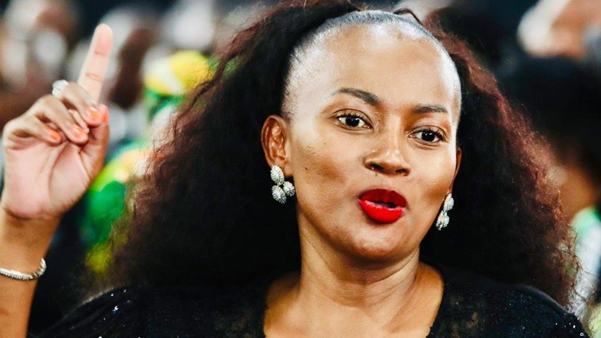
Johannesburg — The Gauteng High Court has delivered a firm rebuke to reckless political commentary after ordering a political analyst and podcast host to issue a public apology to ANC Johannesburg Regional Chairperson Loyiso Masuku, following a successful defamation action brought by the senior ANC leader.
The ruling confirms that a series of allegations made against Masuku during a widely circulated podcast were false, damaging and unsupported by any credible evidence. The court found that the statements were published in a manner that unlawfully harmed her personal integrity, political standing and professional reputation.
False Claims Declared Unlawful
Among the allegations dismissed by the court were claims that Masuku was linked to corruption networks and that she had improperly influenced the outcome of the ANC Johannesburg elective conference. The court held that these assertions were presented as facts, yet had no factual foundation and amounted to defamation.
The presiding judge ordered the immediate removal of the offending podcast episode across all digital platforms and directed the analyst to publish a clear, unconditional retraction and apology using the same visibility and reach as the original content.
In addition, the analyst has been barred from repeating any of the disputed allegations in the future.
Damages Still to Be Determined
While Masuku had sought monetary compensation for reputational harm, the court has postponed a final ruling on damages. That aspect of the matter will be determined in a subsequent hearing where oral evidence will be led to quantify the extent of harm suffered.
Legal costs have been awarded against the respondent.
Political Significance
Masuku’s legal victory comes at a critical time for the ANC in Johannesburg. Having recently made history as the first woman elected to lead the party in the region, she has emerged as a central figure in shaping the ANC’s campaign and governance strategy ahead of upcoming municipal elections.
The ruling has been widely interpreted as a clear warning to political commentators, activists and digital media personalities that freedom of expression does not extend to the publication of unverified and damaging claims.
A Broader Message to Public Discourse
Beyond the individual case, the judgment reinforces a growing legal and social expectation that political debate must be conducted within lawful and ethical boundaries. The court emphasised that public platforms — particularly those with significant audiences — carry a responsibility to ensure that criticism is fair, factual and not designed to injure reputations without proof.
For Masuku, the outcome represents more than a legal win. It is a public vindication of her leadership and a powerful signal that integrity remains protected under South African law.
As the political climate intensifies ahead of key elections, the Masuku judgment is expected to serve as a benchmark for accountability in political commentary — drawing a firm line between legitimate debate and unlawful defamation.