
Lonwabo Mtyeku | Image Credit:Sourced
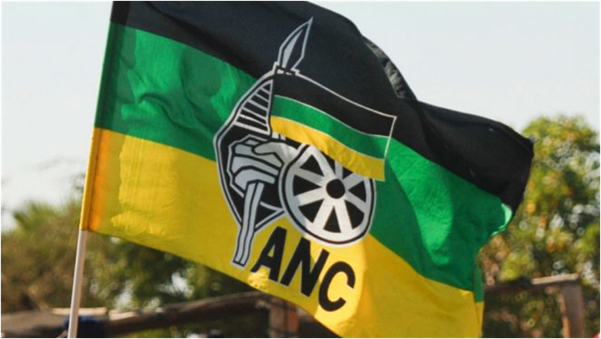
Rustenburg, North West — The African National Congress (ANC) has marked its annual January 8 celebrations, commemorating the organisation’s founding in 1912 and using the occasion to reflect on its historic mission while charting a renewed path forward in a rapidly changing political landscape.
Observed each year as the party’s official birthday, January 8 remains one of the most symbolically significant dates on South Africa’s political calendar, serving as both a celebration of the ANC’s liberation legacy and a platform to outline priorities for the year ahead.
This year’s commemorations were held under the theme of unity, renewal and service delivery, as the governing party confronts mounting socio-economic challenges, electoral pressures and growing public demand for accountability.
Honouring a Liberation Legacy
Founded on 8 January 1912 in Bloemfontein as the South African Native National Congress, the ANC emerged as a vehicle to resist racial discrimination and colonial exclusion. Over more than a century, the movement evolved into the principal force that led the struggle against apartheid and ushered in South Africa’s democratic transition in 1994.
January 8 has since become a moment for the organisation to honour its founding leaders, fallen heroes and the millions of ordinary South Africans who carried the movement through decades of repression, exile and armed struggle.
Wreath-laying ceremonies, prayer services and community engagements were held in various provinces, with senior ANC leaders paying tribute to stalwarts who dedicated their lives to the cause of freedom and equality.
A Call for Renewal and Discipline
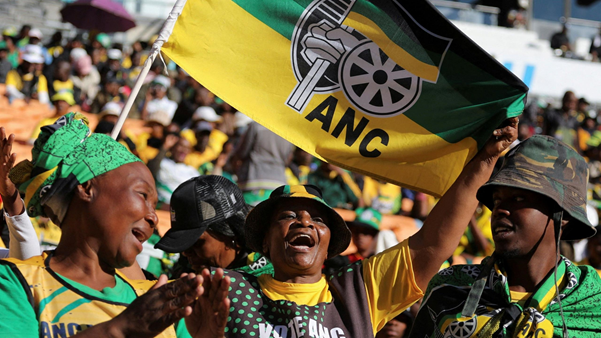
Addressing supporters, party leaders emphasised the need for internal renewal, ethical leadership and organisational discipline, acknowledging that the ANC faces one of the most testing periods in its history.
The leadership reiterated commitments to fighting corruption, restoring public confidence and rebuilding organisational credibility, describing renewal as essential to securing the movement’s relevance in the years ahead.
“This movement was founded to serve the people,” a senior party official said. “We must return to that mission with humility, discipline and visible action in our communities.”
Service Delivery in the Spotlight
This year’s celebrations also placed renewed focus on service delivery, economic recovery and social cohesion, with leaders calling on public representatives to prioritise:
- Reliable water and electricity supply
- Job creation and youth employment
- Improved safety and crime prevention
- Functional municipalities and accountable governance
Party structures were encouraged to use the January 8 period to conduct outreach programmes, clean-up campaigns and community dialogues, reinforcing the ANC’s stated commitment to grassroots engagement.
Political Context
The 2026 January 8 commemorations take place at a time when the ANC faces growing political competition, public dissatisfaction with service delivery and rising concerns over governance standards.
Analysts say the tone of this year’s celebrations reflects an awareness within the party that maintaining political relevance will depend not on historic legacy alone, but on demonstrable improvements in people’s daily lives.
“January 8 has increasingly become a moment of introspection rather than only celebration,” said a political analyst. “It is now about whether the ANC can translate its promises into tangible change.”
Looking Ahead
As the ANC enters another year of political activity, its leadership has pledged to intensify organisational rebuilding, strengthen internal accountability and place citizens’ needs at the centre of its programme of action.
For supporters, January 8 remains a moment of pride and reflection. For critics, it is a test of whether the governing party can turn renewed commitments into visible progress.
Either way, the anniversary continues to serve as a powerful reminder of the movement’s historic role — and the responsibility it carries to shape South Africa’s future.