

By: Lonwabo Mtyeku – Community Newsroom Pictures: Sourced
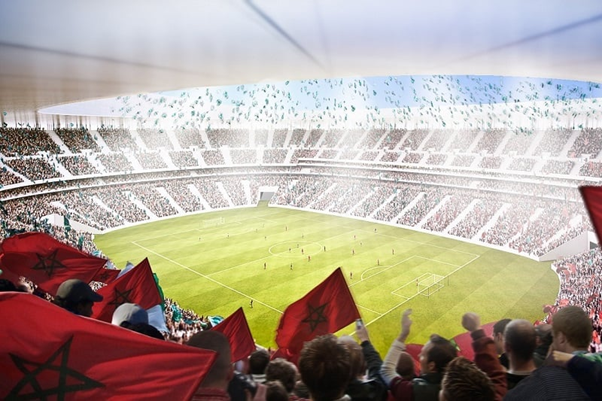
Morocco – The 2025 TotalEnergies Africa Cup of Nations has erupted into life across Morocco’s historic cities, delivering a tournament rich in emotion, tactical depth and continental pride. From the electric nights in Rabat and Agadir to packed stadiums in Marrakech and Fes, Africa’s premier football spectacle is rapidly shaping into one of the most compelling AFCON editions in recent memory.
Giants Rise, Challengers Emerge
The hosts ignited the tournament with a commanding 2–0 victory over Comoros, setting an early tone of authority and ambition on home soil. Morocco later shared the points in a tightly contested 1–1 draw with Mali, underlining both their dominance and the competitive intensity of Group A.
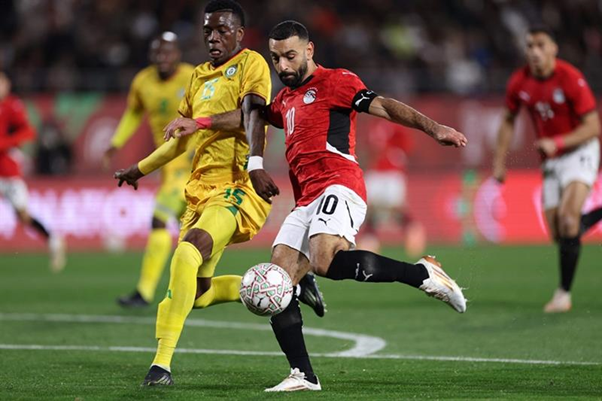
Seven-time champions Egypt have already stamped their credentials, edging Zimbabwe 2–1 before grinding out a disciplined 1–0 victory over South Africa to become the first nation to secure qualification for the knockout stage. Once again, Mohamed Salah’s composure and leadership have proven decisive in moments that demand calm under pressure.
South Africa, despite the setback against Egypt, began their campaign with a vital 2–1 win over Angola, ending a long drought for opening-match victories and signalling a renewed sense of belief within Bafana Bafana’s evolving tactical structure.
Elsewhere, Senegal delivered a statement of intent with a commanding 3–0 triumph over Botswana, while Nigeria edged Tanzania 2–1, Tunisia swept past Uganda 3–1, and DR Congo claimed a narrow but important 1–0 win over Benin. Algeria underlined their title credentials with a dominant 3–0 victory over Sudan, while Burkina Faso, Ivory Coast and Cameroon also collected early three-point hauls in hard-fought encounters.
A Tournament of Tactical Evolution
AFCON 2025 is fast becoming a showcase of modern African football. Compact defensive systems, intelligent pressing patterns and rapid transitions are defining the competition, with teams displaying increasing tactical discipline and game-management maturity.
Morocco’s balance, Senegal’s attacking fluidity and Algeria’s structured control reflect a continental game that has evolved technically and psychologically. Established stars and emerging talents are sharing the spotlight, illustrating the growing depth of African football’s elite pipeline.
Mohamed Salah’s continued influence has once again reinforced his enduring legacy, while a new generation of Europe-based African players are announcing themselves on the continent’s grandest stage.
More Than a Tournament
Beyond the goals and drama, AFCON 2025 carries symbolic weight. It arrives at a pivotal moment for African football, ahead of structural reforms aimed at strengthening competitions, improving player availability and aligning continental tournaments more closely with the global football calendar.
Morocco’s world-class infrastructure, efficient logistics and vibrant host cities have transformed the tournament into a cultural and sporting festival, reaffirming AFCON’s status as both a unifying continental event and a growing global football destination.
Eyes on the Crown
As the group stage gathers momentum, fine margins are beginning to shape destiny. Tactical discipline, squad depth and psychological resilience will determine which nations are best equipped to survive the unforgiving knockout rounds.
The road leads to Rabat, where Africa’s next champion will be crowned in January. By then, only one nation will rise above the rest — not merely as winners, but as the embodiment of Africa’s evolving football identity.