From milk tart and koeksisters to malva pudding, South Africa’s favourite sweet treats tell stories of culture, family and belonging
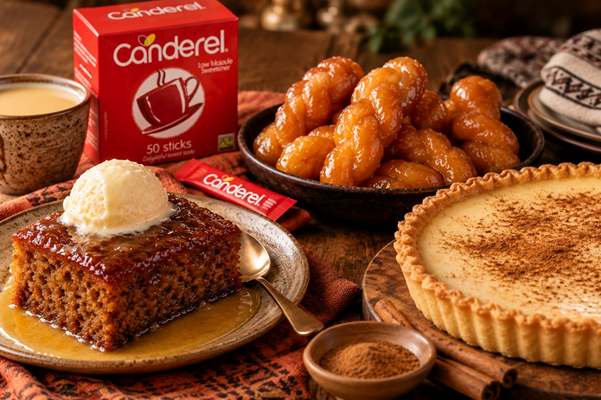
Seen Here: A SWEET TASTE OF HERITAGE, from milk tart and koeksisters to Cape Malay koesisters and malva pudding, South Africa’s beloved desserts bring generations, cultures and memories together around one table. Every flavour tells a story. Every recipe carries a legacy. Photo Credit: Supplied
In South Africa, heritage is something we can taste.
It lives in the cinnamon-dusted comfort of a freshly baked milk tart, the syrupy sweetness of a traditional koeksister, the fragrant spices of a Cape Malay koesister and the warmth of malva pudding shared around a family table.
These much-loved desserts are more than delicious treats. They are reminders of where we come from, the people who shaped us and the traditions passed from one generation to the next.
Our food reflects a country shaped by many cultures, communities and histories. Each has contributed recipes, ingredients and techniques that have become part of South Africa’s rich culinary identity. And perhaps nowhere is that diversity more beautifully expressed than in the desserts we continue to prepare, share and celebrate.
More than something sweet
Many of South Africa’s best-loved desserts carry stories that reach across generations.
Milk tart, or melktert, has roots in the country’s Dutch colonial history and has evolved through generations of local baking. Its delicate custard filling, pastry base and generous dusting of cinnamon have made it a familiar favourite in homes across the country.
Then there are the koeksister and koesister: similar in name, but distinct in flavour and tradition.
The classic plaited koeksister is deep-fried and soaked in syrup, creating its recognisable sweet, sticky finish. The Cape Malay koesister, by contrast, is traditionally infused with warm spices such as cinnamon, cardamom and ginger, then finished with coconut.
Their differences are a delicious reminder that South African heritage is not one story. It is a collection of traditions, each with its own character and place at the table.
Malva pudding tells another story of comfort and celebration. Served warm and drenched in its characteristic sauce, it has become a favourite at Sunday lunches, family gatherings and special occasions.
For many people, these desserts are inseparable from memories of home: the familiar aroma from the kitchen, the excitement of a shared meal and the joy of enjoying something made with care.
Food, memory and wellbeing
Food nourishes us physically, but it can also connect us emotionally to our families, cultures and communities.
As a dietitian, I see how familiar foods can offer comfort and a sense of belonging. Sharing a treasured recipe or enjoying a traditional dessert can be part of celebrating identity and maintaining connections across generations.
A balanced approach to eating does not mean abandoning the foods that carry personal or cultural meaning. It means enjoying them in ways that work for our individual needs, preferences and overall eating patterns.
Taking time to savour a favourite dessert, sharing it with others and appreciating the story behind it can make the experience about more than sweetness alone.
When tradition meets today
Heritage is not about keeping every recipe exactly as it was. Recipes evolve as families adapt ingredients, pass on techniques and add their own creative touches.
Today’s home cooks are finding ways to enjoy traditional favourites while being more mindful of the ingredients they use. For those looking to reduce added sugar in certain recipes, a suitable Canderel product may be one option, depending on the recipe and product guidance.
The outcome will vary according to the ingredients and method, so it is important to follow the manufacturer’s instructions when making substitutions.
The goal is not to take the character out of a milk tart or the comfort out of malva pudding. It is to explore how recipes can adapt while preserving the flavours, memories and meaning that make them special.
For people managing blood glucose, individual needs differ. A healthcare professional or registered dietitian can offer advice on how to include traditional foods within an appropriate eating plan.
A table big enough for everyone
One of the most beautiful things about South African food heritage is that it makes room for many traditions.
A dessert table can bring together milk tart, koeksisters, Cape Malay koesisters and malva pudding, alongside family recipes and new interpretations. Each dish adds another layer to the story of who we are.
Because food heritage is not only about where a recipe began. It is also about how it was shared, remembered and made part of people’s lives.
This Heritage Month, let us celebrate South Africa’s culinary diversity by gathering around a table, sharing the stories behind our favourite foods and passing those traditions on to the next generation.
After all, some of our most treasured memories begin with something sweet.