
Why South Africans Are Running Out of Money Before Month-End as Financial Pressure Intensifies
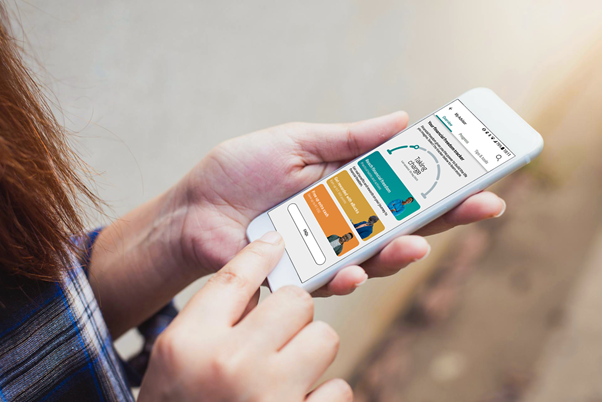
Seen Here: As the cost of living continues to rise, payday is becoming shorter for many South Africans. Financial experts say building resilience starts with smarter money habits—budgeting intentionally, saving consistently and making every rand work harder throughout the month. Photo Credit: Supplied
JOHANNESBURG – Payday has become increasingly short-lived for millions of South Africans. What once marked the beginning of a month of financial stability now often lasts only a few days before salaries disappear into debit orders, transport costs, groceries, school expenses and mounting household bills.
Against a backdrop of rising living costs and growing economic uncertainty, financial experts say the challenge facing households is no longer simply poor budgeting—it is the reality that many consumers are earning just enough to cover essential expenses.
The latest Consumer Confidence Index (CCI), compiled by the Bureau for Economic Research (BER) in partnership with FNB, highlights the growing financial strain on households. Consumer confidence fell sharply from -7 in the first quarter of 2026 to -19 in the second quarter, reflecting increasing pessimism about personal finances and South Africa’s economic outlook.
The decline comes as higher fuel prices, rising household costs and persistent inflation continue to squeeze disposable income, leaving families with little financial breathing room.
The New Reality of Household Finances
Unlike traditional budgeting challenges, where careful planning could stretch an income until month-end, today’s financial landscape presents a different reality.
For many households, a significant portion of their salary is already committed before they even receive it. Housing costs, transport, debt repayments, school fees and other essential obligations consume most of their monthly income almost immediately after payday.
According to Ester Ochse, Product Head of Integrated Advice at FNB, financial wellbeing extends beyond simply saving money.
“As South Africa observes National Savings Month, it’s important to remember that financial wellbeing isn’t only about how much you save, but how effectively you manage your income throughout the month.”
She explains that many households begin experiencing financial pressure long before month-end because so much of their income is already allocated to unavoidable expenses.
“Building financial resilience starts with understanding where your money goes and making deliberate decisions about how it is used.”

Seen Here: Ester Ochse, Product Head of Integrated Advice at FNB, says financial resilience is built through consistent planning, intentional spending and disciplined saving, empowering South Africans to better navigate rising living costs and achieve long-term financial security. Photo Credit: Supplied
Small Changes Can Deliver Big Results
While economic conditions remain challenging, financial experts believe that practical changes in spending habits can significantly improve monthly cash flow.
Among the key recommendations are:
- Distributing income across the entire month rather than spending heavily immediately after payday.
- Setting aside money for bills and essential expenses due later in the month.
- Creating weekly spending limits to improve financial discipline.
- Monitoring small daily purchases, including takeaway meals, online deliveries and impulse spending.
- Building an emergency savings fund through regular, even modest, contributions.
- Avoiding unnecessary short-term debt that can worsen future financial pressure.
Financial Resilience Matters More Than Ever
Experts say one of the biggest misconceptions is that improving personal finances requires dramatic lifestyle changes.
Instead, sustainable financial health is often built through consistent habits, careful planning and informed decision-making.
“Savings Month reminds us that financial resilience develops over time,” Ochse says.
“By planning ahead, spending intentionally and making saving a regular habit, consumers place themselves in a stronger position to cope with financial pressures while working towards their long-term goals.”

Technology Supporting Better Financial Decisions
As consumers seek practical ways to improve money management, digital financial tools are playing an increasingly important role.
FNB encourages customers to use the My Advisor feature available on its banking app, providing personalised guidance on budgeting, saving and achieving long-term financial goals.
With household budgets under unprecedented pressure, financial institutions say awareness, consistency and proactive planning may prove more valuable than ever.
While South Africa’s economic environment remains challenging, developing healthier financial habits today could help households break the increasingly common cycle of being paid on Friday and running out of money before the following week has even begun.