

By: Lonwabo Mtyeku Photo Credit: Sourced

Seen Here: A close-up image of a lit cigarette emitting smoke, highlighting ongoing public health concerns tied to tobacco consumption and its regulation under evolving control policies. Photo Credit: Sourced
South Africa’s proposed Tobacco Products and Electronic Delivery Systems Control Bill (“Tobacco Bill”) has triggered renewed debate following public consultation on far-reaching reforms that include plain packaging requirements, stricter advertising bans, and tighter controls on vaping products.
The legislation seeks to fundamentally reshape how tobacco and nicotine products are marketed and sold, introducing standardised packaging stripped of branding, logos, and trademarks. The move aligns with global public health approaches aimed at reducing the appeal of smoking, particularly among young people.
Plain packaging at the centre of reforms
At the heart of the Bill is the introduction of plain packaging for all tobacco products. The proposal would remove all branding elements from packaging, replacing them with standardised designs and prominent health warnings.
Industry stakeholders have raised concerns that such measures could weaken trademark protections and significantly disrupt brand differentiation in the market. The changes would mark one of the most significant regulatory shifts in South Africa’s tobacco control framework in decades.
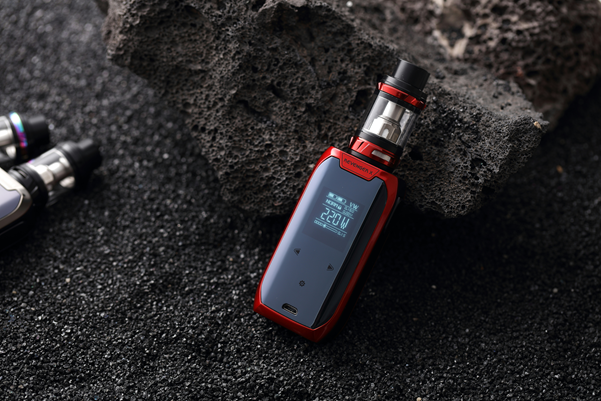
Seen Here: A modern e-cigarette device, reflecting the growing debate around vaping regulation, harm reduction, and proposed changes under South Africa’s Tobacco Products and Electronic Delivery Systems Control Bill. Photo Credit: Sourced
Vaping regulation draws sharp scrutiny
A key point of contention has been the Bill’s initial approach to electronic nicotine delivery systems, including e-cigarettes and vape products. Early drafts proposed treating nicotine and non-nicotine electronic devices in the same manner as combustible tobacco products. This would have subjected vaping products to the same restrictions, including plain packaging and a ban on public product displays.
However, this approach has been met with resistance during public consultations, with stakeholders arguing that vaping products differ significantly from traditional tobacco products and should be regulated separately.
Illicit trade concerns raised
Among the most prominent objections is the concern that plain packaging could fuel illicit trade in counterfeit tobacco and nicotine products. Critics argue that removing brand identifiers may make it easier for illegal products to enter the market undetected, while simultaneously stretching already limited enforcement capacity.
Stakeholders also questioned whether law enforcement agencies have the resources necessary to effectively police an expanded regulatory regime, particularly given existing challenges in combating counterfeit goods.
Government maintains harm reduction stance
In response, the Department of Health has maintained that evidence-based tobacco control measures remain central to its policy approach. The Department has reiterated that nicotine delivery systems — including heated tobacco products — still involve nicotine inhalation and are therefore not considered effective harm-reduction tools.
Officials have emphasised that while vaping products may be considered for certain exemptions, they do not currently align with the Department’s definition of safe alternatives to combustible tobacco.
Possible regulatory differentiation emerging
Despite its firm stance, the Department has indicated a willingness to consider limited exemptions for non-combustible products such as vapes, particularly in relation to labelling and packaging requirements. However, such exemptions would be conditional on strict controls around advertising and prohibitions on misleading health claims.
This marks a notable shift from earlier proposals that sought to apply a unified regulatory framework across all tobacco and nicotine products. The evolving position suggests that future regulations may draw clearer distinctions between combustible and non-combustible products.
Ongoing policy tensions
The Bill continues to raise complex legal and economic questions, particularly regarding intellectual property rights and the balance between public health objectives and commercial freedoms. Trademark owners are expected to closely monitor the legislation as it progresses through the legislative process.
While the government maintains that the reforms are necessary for long-term public health protection, critics argue that unintended consequences — including market disruption and illicit trade expansion — must be carefully considered.
As the legislative process continues, the Tobacco Bill remains one of the most closely watched regulatory developments in South Africa’s health policy landscape, with significant implications for both industry and consumers.