
By: Lonwabo Mtyeku Photo Credit: Supplied
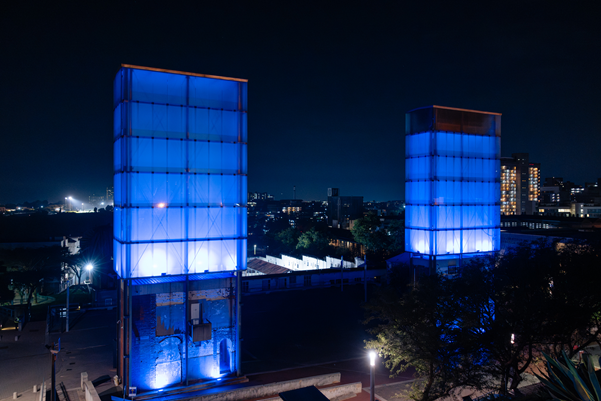
Seen Here: Constitution Hill illuminated in blue during World Parkinson’s Day awareness activation, symbolising visibility, dignity, and support for people living with Parkinson’s disease across South Africa. Photo Credit: Supplied
Johannesburg — Constitution Hill will be illuminated in blue from 9 to 11 April as part of a national awareness campaign marking World Parkinson’s Day, aimed at improving public understanding of Parkinson’s disease and encouraging earlier diagnosis across South Africa.
The initiative, led by Parkinson’s ZA in partnership with AbbVie South Africa, will see one of the country’s most symbolic landmarks lit in blue to spotlight the impact of the neurological condition and the challenges faced by those living with it.
Global rise in Parkinson’s disease
World Parkinson’s Day, observed annually on 11 April, is dedicated to raising awareness of Parkinson’s disease — a progressive neurological disorder that affects movement, mental health, sleep, and overall quality of life.
According to the World Health Organization, more than 8.5 million people globally are currently living with Parkinson’s disease, a figure that has doubled over the past 25 years and is projected to rise to 12 million by 2040.
Symptoms often include tremors, slowed movement, muscle rigidity, balance difficulties, and speech challenges. Health experts warn that these symptoms are frequently misinterpreted as normal ageing, leading to delays in diagnosis and treatment.
Turning awareness into action
Organisers say the blue illumination of Constitution Hill is intended to transform awareness into a visible national moment.
“The aim is to make an often invisible condition visible,” said Rakesh Harribhai, Founding Director of Parkinson’s ZA. “Constitution Hill represents dignity and justice, and lighting it in blue affirms that people living with Parkinson’s deserve to be seen, supported, and treated with respect.”
The three-day activation will run from 9 to 11 April, culminating on World Parkinson’s Day, and is expected to encourage conversations in homes, workplaces, and communities about early symptom recognition.
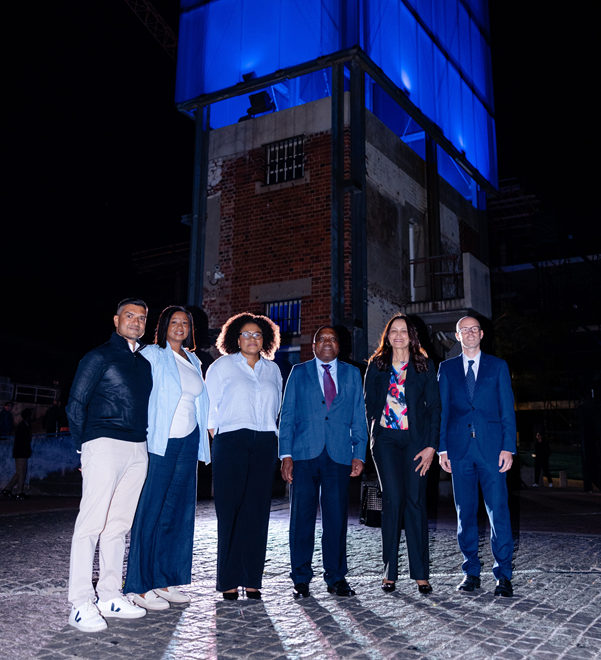
Health experts call for early diagnosis
Deputy Minister of Health Joe Phaahla stressed the importance of public education in improving health outcomes.
“Early recognition of symptoms and timely medical consultation can significantly improve quality of life,” he said, adding that awareness also helps build a more compassionate response from families and healthcare systems.
Medical professionals emphasise that while there is no cure for Parkinson’s disease, treatments such as medication, therapy, and rehabilitation can help manage symptoms and improve daily functioning.
Dr Nombini Habangana of AbbVie South Africa noted that misdiagnosis or late diagnosis remains a major challenge.
“Parkinson’s is often mistaken for normal ageing,” she said, warning that delays can leave patients and families without adequate support during early disease progression.
Advocacy and support in South Africa
Parkinson’s ZA, a patient advocacy organisation, continues to play a key role in education and community support, having conducted more than 240 workshops across KwaZulu-Natal, Gauteng, and the Western Cape. The organisation provides free support groups and educational resources aimed at improving quality of life for patients and caregivers.
AbbVie South Africa said its involvement reflects a broader commitment to neurological health, focusing on improving care and supporting independence for people living with chronic conditions.
A symbol of visibility and dignity
The decision to illuminate Constitution Hill carries strong symbolic weight, organisers said, linking South Africa’s history of justice and human rights with the need for dignity and visibility for those affected by Parkinson’s disease.
As the landmark lights up in blue, campaigners hope the visual statement will spark sustained public awareness — and ensure that the conversation about Parkinson’s disease continues long after the lights go out.