
By: Lonwabo Mtyeku Photo Credit: Supplied
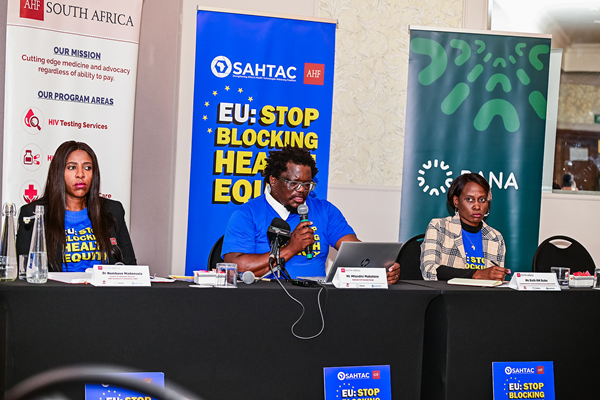
Shaping a Healthier Future: Africa Champions Equity and Shared Benefit in Global Pandemic Talks. Photo Credit: Supplied.
Johannesburg, South Africa – 19 March 2026
As the world edges closer to finalising a landmark global pandemic agreement, African civil society organisations are stepping forward with a clear and unified message: the future of global health must be equitable, inclusive, and rooted in shared benefit.
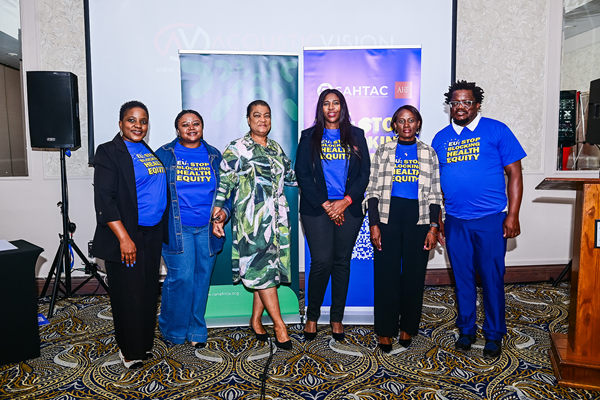
At a high-level press briefing in Johannesburg, leading health advocacy groups outlined a bold vision for reform ahead of the decisive negotiations led by the World Health Organization (WHO). The gathering, hosted in Sandton, brought together key voices including AIDS Healthcare Foundation (AHF), Resilience Action Network Africa (RANA), the South African National AIDS Council Civil Society Forum, and the Strengthening Health Technologies Advocacy Coalition (SAHTAC).
A Defining Moment for Global Health
The pandemic agreement—adopted in May 2025—remains incomplete pending the finalisation of its most contentious component: the Pathogen Access and Benefit-Sharing (PABS) annex. Scheduled for conclusion in Geneva from 23 to 28 March, the negotiations are widely seen as a turning point in how the world prepares for and responds to future health crises.
At the heart of the debate lies a fundamental question: how can global systems ensure that countries contributing vital pathogen samples and genetic data are guaranteed fair access to the vaccines, diagnostics, and treatments developed from them?
For African stakeholders, the answer is clear—equity must be non-negotiable.
From Contribution to Fair Compensation
During the COVID-19 pandemic, African nations played a critical role in sharing scientific data and supporting global research efforts. Yet, access to life-saving interventions often lagged behind more developed regions.
Now, advocates are pushing to ensure that history does not repeat itself.
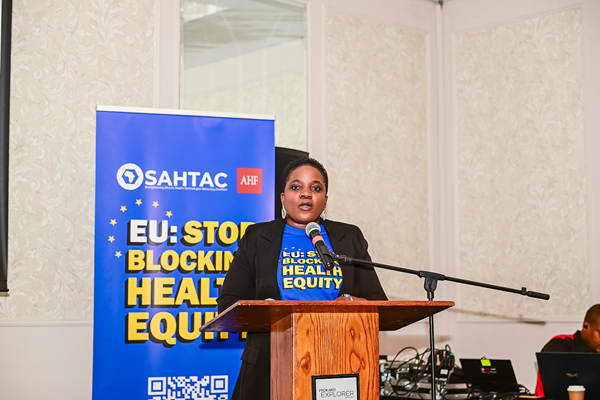
“This is about building a system where contribution is matched by benefit,” said Ruth Dube of SAHTAC. “If Africa contributes data and scientific knowledge, it must also have a meaningful say in how those contributions are used. Transparency and accountability are essential.”
Her remarks reflect a broader continental demand for governance structures that are inclusive and representative—ensuring that decision-making power is not concentrated among a few.
Putting People at the Centre
Speakers emphasised that the agreement is not merely a technical framework, but a human imperative.
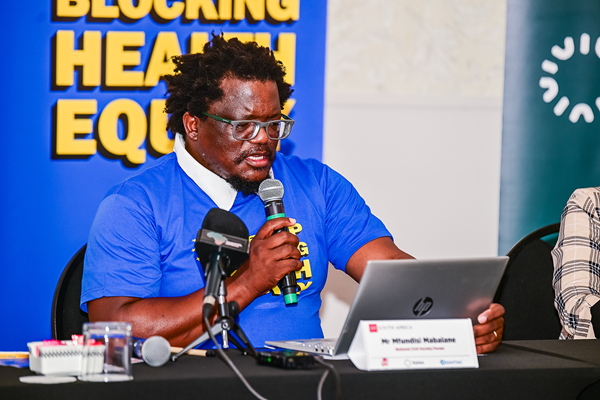
Mfundisi Mabalane of the South African National AIDS Council Civil Society Forum highlighted the importance of lived experience in shaping policy.
“Communities have seen both the challenges and the possibilities,” he said. “This is our chance to build a system that truly reflects their realities and needs.”
The call is for a paradigm shift—one that prioritises public health outcomes over geopolitics and places vulnerable populations at the centre of global decision-making.
Opportunity for Growth and Innovation
Beyond immediate health outcomes, the agreement is also viewed as a catalyst for long-term development across the continent.
A more equitable system could unlock opportunities for local pharmaceutical manufacturing, strengthen healthcare infrastructure, and create pathways for young Africans entering science, medicine, and public health.
“This is about partnership and shared progress,” noted Aggrey Aluso. “When systems are fair and predictable, countries can plan, invest, and grow stronger together.”
A Vision Grounded in Equity
For Dr Nombuso Madonsela, the stakes could not be higher.
“We have an opportunity to shape a system that truly works for everyone,” she said. “Equity must be built into the foundation so that no country or community is left behind.”
The coalition is advocating for clear, enforceable mechanisms that ensure benefit-sharing is not just promised—but delivered. This includes traceable systems for distributing vaccines and treatments, as well as accountability measures to uphold commitments.
Africa’s Voice on the Global Stage
As negotiations enter their final stretch, Africa is not approaching the table as a passive participant—but as a proactive leader shaping the agenda.
With a message grounded in fairness, dignity, and shared progress, the continent is positioning itself at the forefront of a new global health order—one that recognises that in an interconnected world, equity is not optional, but essential.
If successful, the outcome of the Geneva talks could redefine international cooperation in health—ensuring that when the next pandemic strikes, no region is left behind.