


Article: Lonwabo Mtyeku – Community Newsroom and GP News Media Pictures: Supplied
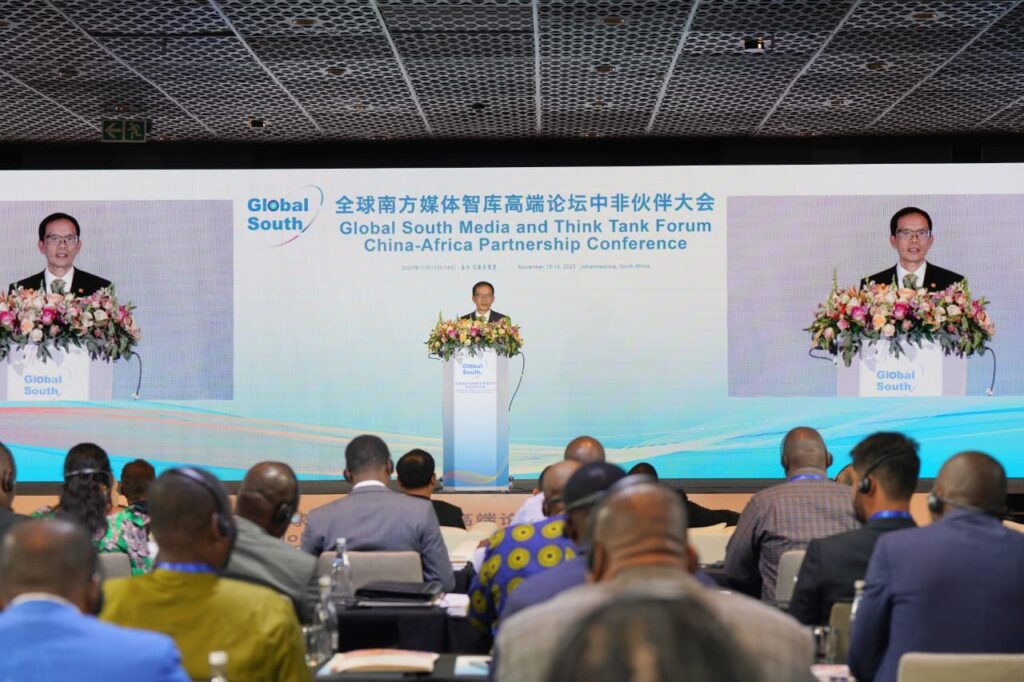
Johannesburg—Africa’s vibrant hub of politics, culture, and global engagement—recently hosted a defining moment in the future of Global South cooperation. At the Global South Media and Think Tank Forum China–Africa Partnership Conference, held on November 13, more than 200 delegates from over 160 media houses, think tanks, and government institutions gathered to reflect on the evolving international order and to strengthen China–Africa collaboration.
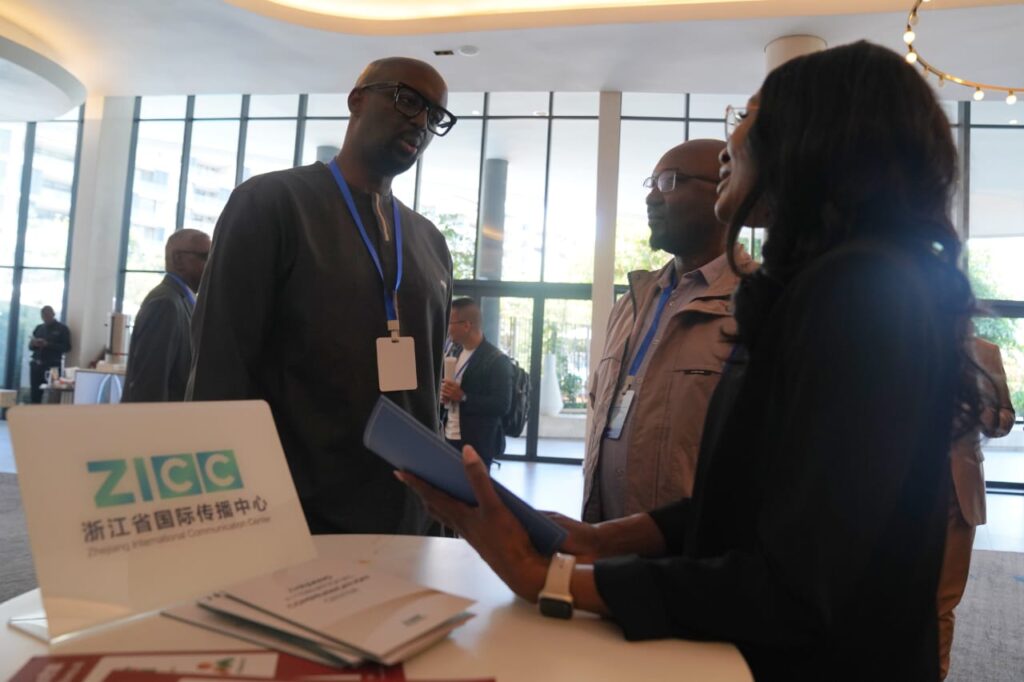
Among the many discussions on global governance and shared development, one innovation stood out and captured the attention of the entire forum: the unveiling of Ubuntu AI, a pioneering intelligent platform for African regional and country studies. Co-created by the Zhejiang International Communication Center (ZICC) and the Institute of African Studies at Zhejiang Normal University, Ubuntu AI arrived not just as a tool—but as a statement of technological ambition and partnership.
A Technological Bridge for a Changing World
The forum focused on three central themes:
China and Africa’s role in reshaping global governance,
The Global South’s collective renewal, and
The coexistence and interaction of world civilizations.
In this context, Ubuntu AI emerged as a practical solution to a shared challenge: how to deepen cooperation, strengthen knowledge exchange, and improve global discourse representation.Leslie Richer, Information and Communication Director at the African Union, noted that the shifting international landscape requires tighter bonds between African and Chinese institutions, especially in media and research. Stronger narratives, she stressed, are essential for building a more inclusive and balanced global communication system.Ubuntu AI answers this call by leveraging artificial intelligence to break language barriers, consolidate research, and support policy discussions across borders.
Ubuntu: A Name That Reflects Shared Purpose
The name Ubuntu AI pays homage to the African philosophy “I am because we are,” a principle that mirrors China’s vision of a shared global future.The platform integrates multilingual news, academic research, cultural insights, and policy tools—forming an ecosystem where information, analysis, and decision-making support exist in one place.Attendees who tested the system applauded its depth and usability, describing it as a new digital gateway for cross-cultural understanding.Former South African diplomat Gert Grobler called Ubuntu AI “a catalyst for elevating China–Africa cooperation,” capturing the sentiment echoed throughout the conference.
A Collaboration Built on Decades of Trust
Ubuntu AI builds on more than two decades of media collaboration between Zhejiang and Africa. As far back as 2000, the overseas edition of Zhejiang Daily partnered with African outlets like African Times, laying groundwork for long-term engagement.Since then, ZICC has expanded its footprint, forming partnerships with African media associations such as the Kenya Editors’ Guild and establishing permanent liaison offices in Egypt and South Africa.These years of cooperation paved the way for the creation of Ubuntu AI, which was incubated within the Converged Media Innovation Hub of Zhejiang Daily Media Group. An upgraded version of the application was premiered at the 2025 China–Africa Internet Development and Cooperation Forum, positioning it as a flagship project in China–Africa digital exchange.During the Johannesburg forum, the platform further expanded its database by integrating African Times’ extensive media archive—significantly enriching the system’s African-centered foundations.
Shaping the Future of Global Leadership
The conference also unveiled a key think tank report, “Building New Global Leadership,” along with the launch of the Global South Media Think Tank Cooperation and Communication Partnership Network and the 2026 China–Africa Partnership Empowerment Action Plan.These initiatives mark a decisive step toward creating a fairer and more inclusive global governance environment. In this new phase, Ubuntu AI stands as both a technological tool and a symbol of intellectual solidarity—empowering China and Africa to shape shared narratives and propose new solutions for the world.
More Than Technology—A Shared Vision
The debut of Ubuntu AI is a turning point. It represents:
strengthened cultural and academic collaboration,
a leap forward in digital innovation,
a deeper commitment to mutual understanding, and
a united push for Global South empowerment.
By building a platform that connects institutions, stories, and perspectives across continents, Ubuntu AI does more than share information—it strengthens identity, amplifies African knowledge, and reinforces the bonds between two regions shaping the future.
Ubuntu AI is not just a technological milestone;
it is the beginning of a new chapter in China–Africa partnership and global cooperation.


