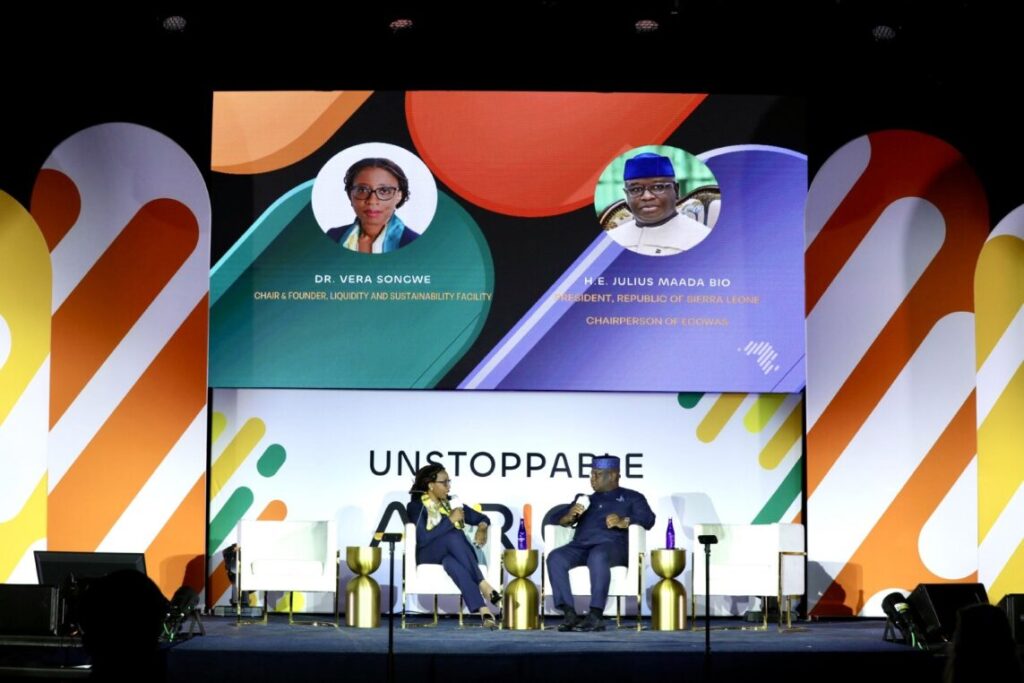
In a landmark event that signals a pivotal turn in how the world views Africa, New York’s Times Square became the venue for the Unstoppable Africa 2025 forum, a flagship initiative of the Global Africa Business Initiative (GABI). Convening heads of state, influential business leaders, and key policymakers, the gathering aimed to redefine global economic interactions, moving beyond the traditional narratives of doing business in Africa towards an empowering collaboration of doing business with Africa.
The Marriott Marquis hosted this high-profile assembly just before the 80th United Nations General Assembly, with UN Secretary-General António Guterres and H.E. Mahmoud Ali Youssouf, Chairperson of the African Union Commission, spearheading discussions. CNN’s Larry Madowo and Al Jazeera’s Folly Bah Thibault served as moderators, guiding a day packed with dialogues on sustainable growth across multiple sectors, including energy, healthcare, and the creative industries.
In his opening address, Guterres emphasised the continent’s potential amidst global disruption, stating, “Africa stands at the centre of that opportunity.” He cited the continent’s youthful population, abundant energy resources, and extraordinary creativity as critical components that could be harnessed for sustainable development, echoing commitments to the Sustainable Development Goals and Africa’s Agenda 2063.
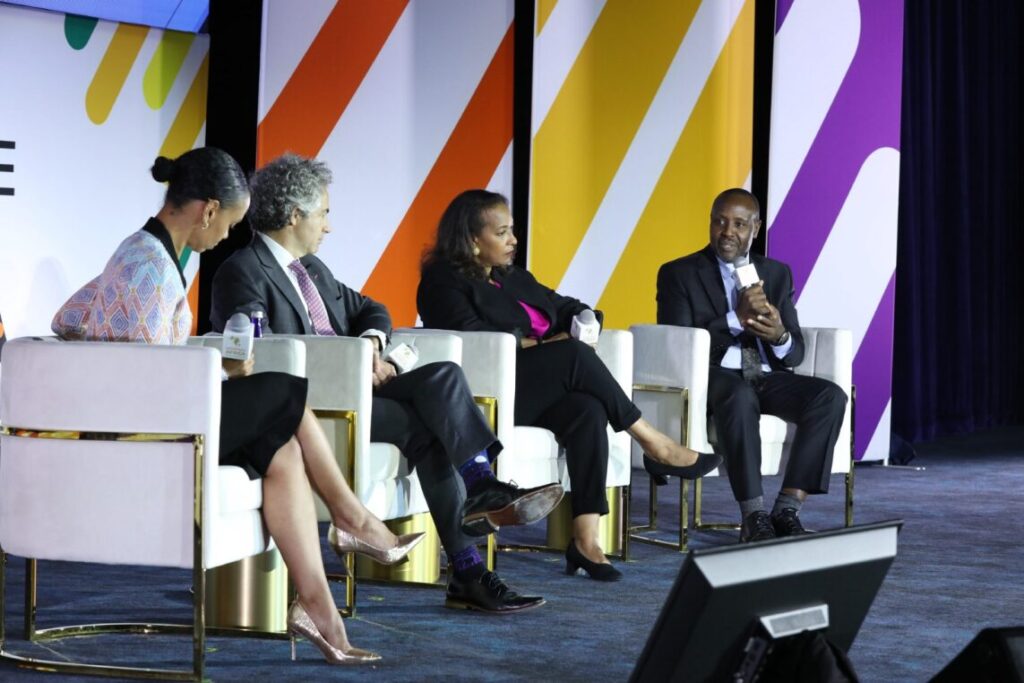
Assistant Secretary-General Sanda Ojiambo reinforced the theme of transformation, affirming that adopting a new narrative for Africa is not merely a suggestion but an imperative. “We are shifting from doing business in Africa to doing business with Africa,” she proclaimed, highlighting GABI’s continuous momentum since its establishment in 2022, aimed at fostering a robust and inclusive African private sector.
One key highlight of the forum was a closed-door meeting that brought together influential figures like Strive Masiyiwa, a prominent African business leader, and 14 CEOs from firms representing a combined revenue of US$22 billion. They urged governments to enhance the business landscape through supportive policies tailored for industrial growth, regional trade, and long-term investments crucial for unlocking Africa’s economic potential.
The forum’s discussions also explored urgent priorities for the continent’s progress, notably the need to expand access to energy and accelerate clean energy initiatives, enhance healthcare and education, and foster growth in the creative and sports sectors. H.E. Joao Lourenço, President of Angola, underscored the strategic significance of the Lobito Corridor to facilitate regional trade and attract investment, embodying the potential for collective economic advancement.
In an insightful session, experts assessed Africa’s role within a rapidly evolving global economy, especially against a backdrop of rising protectionism. Dr. Ngozi Okonjo-Iweala, Director-General of the World Trade Organization, pointed out that with global companies seeking diversified supply chains, Africa’s potential as a strong growth destination is undeniable. Emphasising that the continent holds over a third of the world’s key mineral reserves, she argued for local processing to support sustainable energy supply chains.
Moreover, the discussions highlighted the critical focus on Africa’s wealth of minerals essential for the shifts in energy and digital technology landscapes. Officials like Hon. Bogolo Kenewendo from Botswana outlined initiatives to develop local hubs around mines, ensuring that processing occurs within the continent, thereby retaining economic value and enhancing national industries.
As conversations continued, the forum also examined financing paths for Africa’s green industrial future, where prominent voices advocated for increased local financial leadership. Notably, Alain Ebobissé, CEO of Africa50, stated that while African institutional investors manage over US$2 trillion, less than 3% is directed towards infrastructure. By increasing this allocation, Mr Ebobissé believes the continent could significantly close the funding gap.
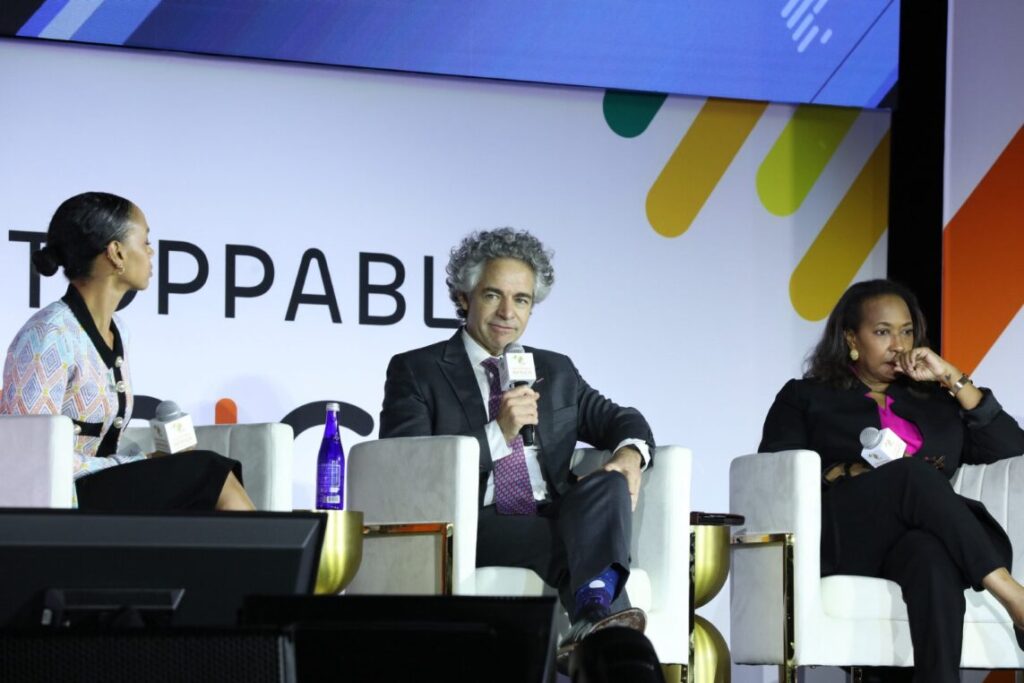
As the day unfolded, the Africa Business Leaders Coalition (ABLC) hosted round-table discussions among top executives focused on unlocking trade across the continent. Their shared insights with the African Union’s economic development leaders reinforced the necessity for harmonised regulations and collaborative investment efforts that will enable business growth.
Overall, the Unstoppable Africa 2025 forum amplified a bold vision for Africa, inviting a renewed global partnership that embraces the continent’s rich potential and advocates for investment that delivers meaningful benefits to its people.
Story and Pictures: Supplied