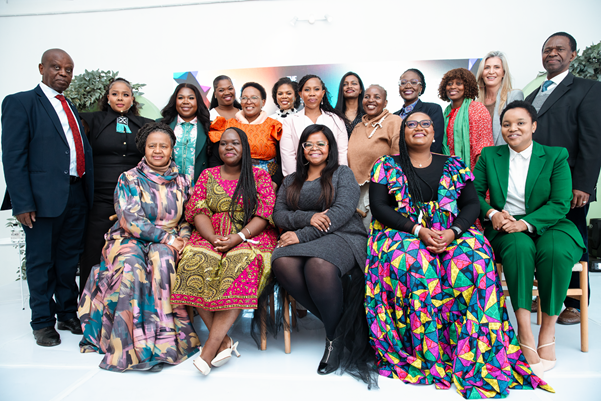
Seen Here: Healthcare leaders, policymakers and wellness experts gather at The Wellness Collective Summit hosted by WomenCan in Johannesburg, where discussions centred on science-led harm reduction, preventative healthcare and empowering South Africans to make healthier lifestyle choices. More than 250 delegates attended the summit focused on building a healthier future through innovation, education and evidence-based wellness. Photo Credit: Supplied
JOHANNESBURG – Science-led innovation, prevention and healthier lifestyle choices emerged as key themes at The Wellness Collective Summit, where healthcare experts, policymakers and wellness advocates called for a stronger focus on harm reduction as part of South Africa’s broader public health strategy.
Hosted by WomenCan at Pere House on Tuesday, 4 August, the summit brought together more than 250 delegates to explore innovative approaches to wellbeing, lifestyle disease prevention and health education under the theme of empowering healthier choices through innovation and science.
The event highlighted the growing burden of non-communicable diseases in South Africa and the need for practical, evidence-based interventions that empower people to make informed decisions about their health.
Specialist consultant dietician Mbali Mapholi warned that many of the country’s most pressing health challenges are linked to preventable lifestyle factors.
She said smoking, excessive alcohol consumption, obesity, poor nutrition and the pressures of modern living continue to fuel the rise of chronic illnesses such as diabetes, hypertension and cardiovascular disease.
“We’re seeing a new generation of people who are more informed and more proactive about their health than ever before. That’s encouraging, but information alone isn’t enough,” Mapholi said.
“Our role is to help people turn that knowledge into action by making healthy choices feel simple, practical and achievable by focusing on prevention, reducing risk and promoting healthier lifestyles.”
She added that reducing health risks begins with understanding the impact of harmful behaviours while embracing scientific innovation and evidence-based solutions that support healthier outcomes.
The summit also explored the role of science-led harm reduction in addressing smoking-related health risks.
Buhle Binta, Head of Scientific Engagement for Sub-Saharan Africa at Philip Morris International (PMI), reaffirmed the company’s support for transparency and scientific scrutiny of its smoke-free products.
Binta welcomed independent research into PMI’s smoke-free technologies, scientific methodologies and published findings, saying ongoing scientific evaluation remains essential in advancing harm reduction conversations.
Adding a public health perspective, former Deputy Minister of Health and committee chairperson Dr Sibongiseni Dhlomo emphasised that long-term wellbeing begins early in life and requires consistent investment in prevention.
“The foundations of life expectancy and overall wellbeing begin at birth,” Dhlomo said.
“Our quality of life is shaped by both the choices we make and the actions we neglect. Prevention, early intervention and healthy lifestyle choices are essential to improving long-term health outcomes.”
Delivering the keynote address, Gauteng MEC for Health and Wellness Faith Mazibuko described wellness and harm reduction as critical national priorities rather than matters of individual responsibility alone.
She praised WomenCan and its partners for creating a platform that united healthcare professionals, policymakers and communities around practical solutions to South Africa’s growing health challenges.
“Wellness and harm reduction is no longer simply a personal responsibility. It is a national priority,” Mazibuko said.
“It is central to building healthier families, stronger communities and a more productive economy. Many of the illnesses placing enormous pressure on our healthcare system, including diabetes, hypertension, obesity and many cancers, are influenced by lifestyle. While genetics and other factors play a role, many of these diseases can be prevented or delayed through healthier living.”
Mazibuko also encouraged delegates to adopt a broader understanding of wellness, highlighting the important connection between physical, emotional and mental health.
Opening her address with warmth and optimism, she reminded attendees that happiness plays a vital role in overall wellbeing.
“Happiness leads to a healthy lifestyle,” she said, noting that emotional wellbeing is closely linked to physical health and that prolonged stress, anxiety and depression can contribute to the development of lifestyle-related diseases.
Throughout the summit, speakers encouraged individuals to take ownership of their health by embracing balanced nutrition, regular physical activity, mental wellness, preventive healthcare and informed decision-making supported by credible scientific evidence.
As South Africa continues to confront rising rates of chronic disease, delegates agreed that collaboration between government, healthcare professionals, researchers and the private sector will be essential in creating healthier communities and improving quality of life.
The Wellness Collective Summit concluded with a renewed call for science-led innovation, education and practical harm reduction strategies that place prevention at the centre of the country’s future health agenda.