Health Experts Urge Citizens to “Own Their Number” Before It Is Too Late
By: Lonwabo Mtyeku | Photo Credit: Supplied
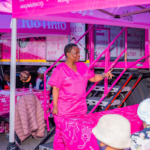
Seen Here: Healthcare workers conduct free blood pressure screenings as part of World Hypertension Month 2026, encouraging South Africans to “Own Their Number” and take proactive steps to manage hypertension before serious complications develop. Photo Credit: Sourced
JOHANNESBURG – Hypertension, often referred to as the “silent killer,” has emerged as one of South Africa’s most pressing public health challenges, with new data revealing that nearly half of the country’s adult population is living with high blood pressure.
As the nation marks World Hypertension Month 2026, healthcare professionals are sounding the alarm over a growing epidemic that continues to claim lives, overwhelm healthcare services and increasingly affect younger generations.
Recent statistics indicate that approximately 46% of South African adults are living with hypertension, making it one of the country’s leading causes of preventable illness and death. The condition is responsible for one in every two strokes and two in every five heart attacks, placing millions of people at risk of serious cardiovascular complications.
What concerns health experts even more is that hypertension often develops without obvious symptoms, earning its reputation as a silent killer.
An estimated half of those living with the condition remain unaware that they have it, only discovering their diagnosis after suffering a stroke, heart attack or other life-threatening medical emergency.
Healthcare professionals warn that the disease is no longer confined to older populations. Increasing rates of obesity, sedentary lifestyles, poor dietary habits and chronic stress are contributing to a rise in hypertension among South Africans between the ages of 18 and 35.
The growing trend among younger adults signals a major shift in the country’s health landscape and raises concerns about the long-term burden on healthcare systems already managing multiple public health challenges.
Beyond the immediate risk of death, uncontrolled hypertension can lead to a range of debilitating complications, including kidney failure, vision impairment, cognitive decline and chronic cardiovascular disease. For many patients, these complications result in reduced quality of life and significant medical costs.
The challenge is further compounded in communities where co-existing conditions such as HIV require complex, long-term treatment and monitoring.
Against this backdrop, healthcare organisations are increasingly advocating for a more patient-centred approach to hypertension management.
Research from South African clinical studies has shown that traditional clinic-based care alone often produces poor blood pressure control rates. However, when patients are empowered to actively participate in managing their condition through education, monitoring and lifestyle changes, control rates improve dramatically.
According to Virosha Deonarain, Medical Manager at Servier South Africa, empowering individuals to take ownership of their health is critical to addressing the growing crisis.
“We can no longer expect patients to be passive recipients of care,” said Deonarain.
“Achieving health equity in South Africa requires placing greater agency in the hands of individuals. By strengthening health literacy and community engagement, we can bridge the gap between clinical care and everyday life, enabling people to take ownership of their journey towards better health.”
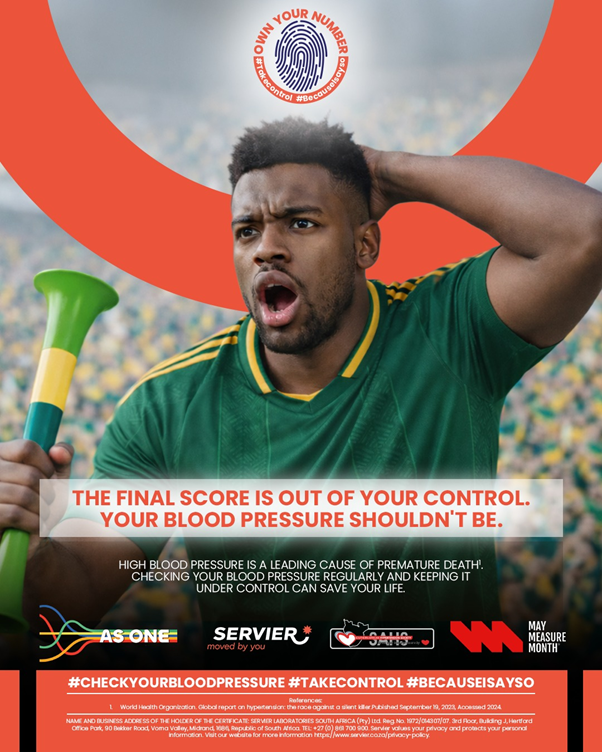
The message forms part of Servier South Africa’s World Hypertension Month campaign, themed “Own Your Number,” which encourages South Africans to know, understand and regularly monitor their blood pressure.
The campaign aims to remove the fear and uncertainty often associated with hypertension by promoting routine screening, healthy lifestyle choices and consistent self-management.
As part of the initiative, Servier South Africa has partnered with local pharmacies to offer free blood pressure screenings in communities across the country. The programme seeks to identify individuals at risk before serious complications develop and encourage earlier intervention.
Healthcare professionals say simple lifestyle changes can make a significant difference. Regular physical activity, balanced nutrition, reduced salt intake, effective stress management and adherence to treatment plans all play a crucial role in controlling blood pressure and reducing cardiovascular risk.
Technology is also playing an increasingly important role. Digital health platforms such as My HealthPartner are providing patients with access to personalised health information, educational resources and self-management tools designed to support healthier living.
Experts believe that greater awareness, earlier diagnosis and stronger patient engagement could substantially reduce the burden of hypertension in South Africa.
As World Hypertension Month shines a spotlight on the issue, healthcare leaders are urging citizens not to wait for symptoms to appear.
The message is simple but potentially life-saving: know your blood pressure, monitor it regularly, and take action before hypertension takes control of your health.
For millions of South Africans, owning their number could be the first step towards preventing a stroke, heart attack or other serious health complication — and ultimately saving their lives.