By: Lonwabo Mtyeku | Photo Credit: Supplied

Seen Here: Werna Oberholzer, Rivoni Shirinda, Thato Molefi, Maanda Milubi Photo Credit: Supplied
Johannesburg, South Africa – In a bold move to strengthen South Africa’s township economy, Tiger Brands has intensified its investment in small and medium-sized enterprises (SMMEs) by equipping township food entrepreneurs with practical business and operational skills designed to improve profitability, sustainability, and long-term growth.
In partnership with the African Management Institute, Tiger Brands recently hosted an intensive cooking and business masterclass led by celebrated chef Wandile Mabaso. The session brought together nearly 60 township-based food entrepreneurs from across Gauteng participating in the KasiPreneur Impact Project — an entrepreneurship development initiative aimed at empowering local food businesses.
The hands-on workshop focused on practical food preparation techniques alongside critical business insights that directly influence operational efficiency and profitability. Entrepreneurs received guidance on smart sourcing, pricing strategies within highly competitive township markets, maintaining food quality, and delivering a consistent customer experience.
Speaking during the event, Mabaso highlighted the importance of supporting township food enterprises, describing the sector as one of the most dynamic contributors to local economic activity.

Seen Here: Chef Limited Sabi serves township-based food entrepreneurs at the recent KasiPreneur masterclass with Tiger Brands Photo Credit: Supplied
“I’m very passionate about food entrepreneurs. This is a significant industry in our townships, and sessions like this are about sharing practical knowledge from the food business, helping entrepreneurs improve their products, and equipping them with the tools to build stronger and more sustainable businesses,” he said.
The masterclass forms part of Tiger Brands’ recently launched Kokota Growth Programme, an initiative designed to support township-based food businesses through business management training and access to operational equipment. The programme reflects the company’s broader commitment to deepening its footprint within the township economy — a sector estimated to be worth more than R900 billion, according to Trade Intelligence.
According to Maanda Milubi, empowering township entrepreneurs is critical to building resilient local economies and sustaining industry growth.
“Our growth as Tiger Brands in the township economy is dependent on the strength and resilience of the businesses that operate within the sector. As South Africa’s largest food manufacturer, we have the responsibility to invest our knowledge, scale, and resources into building their capabilities,” said Milubi.
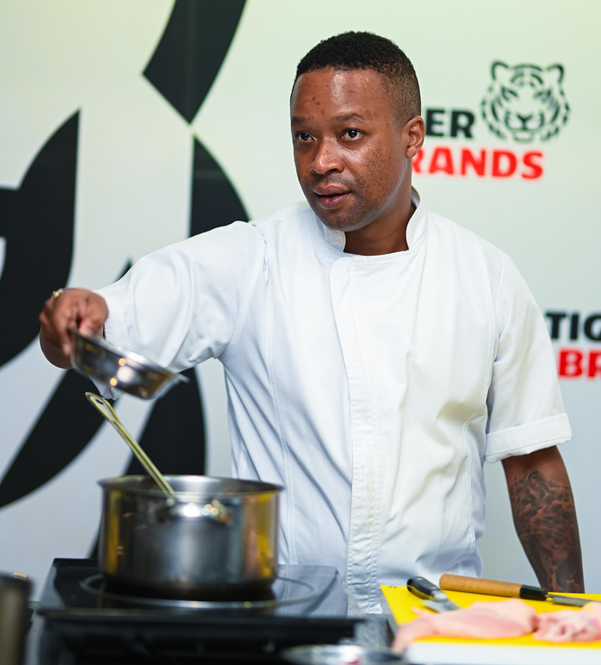
Seen Here: Chef Wandile Mabaso Founder & Executive Chef at Les Créatifs Restaurant Photo Credit: Supplied
As part of the initiative, entrepreneurs were also introduced to Siya Stocka, a digital procurement platform designed to simplify sourcing for township food businesses. Through the “Siya Stocka Pantry” online system, users can conveniently restock bulk and essential food items with delivery available within 24 hours.
The platform offers entrepreneurs access to special deals, bundled products, and promotional pricing aimed at lowering operational costs, improving margins, and enabling sustainable business growth within township communities.
The initiative comes at a time when township entrepreneurship is increasingly being recognised as a powerful driver of employment creation, innovation, and inclusive economic participation in South Africa. By combining mentorship, skills development, and technology-enabled sourcing solutions, Tiger Brands is positioning itself as a key partner in unlocking the full potential of kasi-based enterprises.
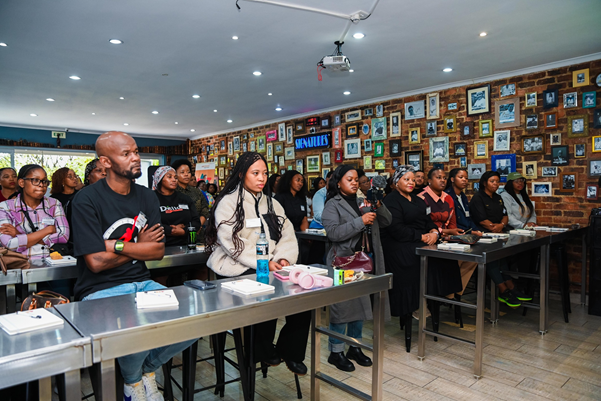
Seen Here: Township-based food entrepreneurs from across Gauteng took part in the KasiPreneur Impact Project Photo Credit: Supplied
Industry observers say initiatives such as the KasiPreneur Impact Project could play a pivotal role in formalising and scaling township food businesses, while helping entrepreneurs navigate rising costs and increasing market competition.
For many participants, the masterclass represented more than just culinary training — it was an opportunity to gain practical tools, industry exposure, and renewed confidence to grow businesses that serve as economic lifelines within their communities.