By: Lonwabo Mtyeku | Photo Credit: Supplied
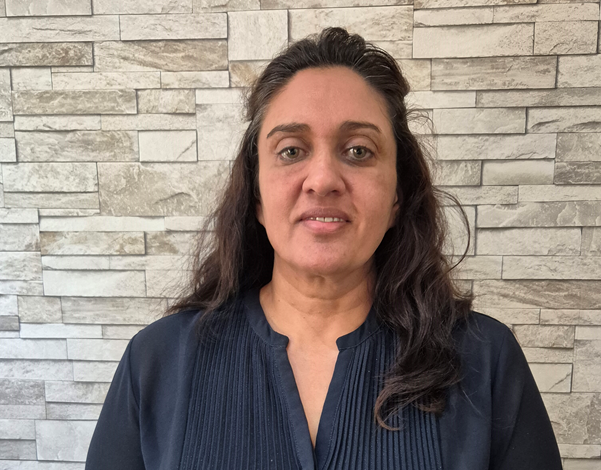
Seen Here: Dr Joshi, a leading diabetes care specialist based in Brooklyn, Pretoria, brings more than two decades of medical expertise to advancing diabetes management and patient education in South Africa. With over 1,000 diabetic patients under her care, Dr Joshi remains committed to improving awareness, research, and treatment outcomes through clinical excellence and ongoing medical education. Photo Credit: Supplied
For many South Africans, it begins with what feels like a minor inconvenience — a tingling sensation in the feet, occasional numbness in the hands, or a burning feeling that becomes more noticeable at night. These symptoms are often dismissed as fatigue, poor circulation, or simply part of getting older.
But medical experts warn that these subtle warning signs could point to a far more serious condition: peripheral neuropathy.
Often developing gradually and silently, peripheral neuropathy affects the nerves outside the brain and spinal cord and can have a major impact on mobility, independence, and quality of life if left unmanaged. The condition is commonly associated with chronic illnesses such as diabetes, but experts say growing awareness and early intervention are critical to preventing long-term complications.
A condition many people overlook
According to Dr Joshi, neuropathy frequently goes undetected in its early stages because symptoms can appear mild or inconsistent.
“Neuropathy is not always dramatic in its early stages — in fact, it’s often silent,” says Dr Joshi. “But those early sensations — tingling, numbness, burning — are important warning signs. They should never be ignored.”
Peripheral neuropathy occurs when nerves become damaged, interrupting communication between the brain, spinal cord, and the rest of the body. Symptoms can vary depending on the type and severity of nerve damage, but commonly include pain, weakness, sensitivity, numbness, and balance difficulties.
For many patients, the symptoms worsen gradually over time, making it difficult to identify exactly when the condition began.

Seen Here: Lindie Motsoane has become a passionate voice for diabetes awareness and education, using her personal journey and family experiences to empower communities with knowledge about chronic disease management, early detection, and the importance of living proactively with diabetes. Photo Credit: Supplied
Diabetes remains a major risk factor
While neuropathy can affect anyone, it is particularly common among people living with diabetes. Persistently high blood sugar levels can damage nerves over time, especially in the legs and feet.
South Africa continues to face a growing diabetes burden, with health experts warning that many people remain undiagnosed or struggle to manage the condition effectively. As a result, complications such as neuropathy are becoming increasingly common.
Dr Joshi explains that diabetes-related neuropathy is one of the leading causes of discomfort, mobility issues, and even disability among patients living with long-term uncontrolled blood sugar levels.
However, he also stresses that neuropathy is not limited to diabetes alone.
“It can also be linked to ageing, vitamin deficiencies, infections such as HIV, physical injury, and other chronic conditions,” he says. “Unfortunately, many people normalise the symptoms or assume they will disappear on their own.”
A deeply personal journey
For diabetes advocate Lindie Motsoane, the realities of neuropathy are more than medical statistics — they are deeply personal experiences shaped by years of loss and observation.
Diagnosed with Type 2 diabetes in 2008, Lindie has spent years educating communities about chronic disease management and the importance of early intervention. Her passion for awareness stems largely from seeing the devastating effects diabetes complications had on her own family.
Both her grandmother and father experienced severe diabetes-related complications, including neuropathy.
“I realised that many people are not dying from diabetes itself, but from a lack of knowledge about how to manage it,” she says. “There isn’t enough awareness about complications like neuropathy, and by the time people recognise it, it can already be advanced.”
Today, Lindie uses her platform to encourage people living with chronic illnesses to prioritise regular medical check-ups, healthy lifestyle choices, and emotional resilience.
She believes many South Africans still underestimate how dangerous “small” symptoms can become when ignored.
The importance of early action
Health professionals say one of the biggest challenges surrounding neuropathy is delayed diagnosis. Many people only seek medical help once pain intensifies or mobility becomes affected.
Experts warn that waiting too long can lead to permanent nerve damage, particularly in cases where underlying conditions remain uncontrolled.
“Early intervention can make a meaningful difference in slowing progression and improving comfort,” explains Dr Joshi. “The sooner patients seek help, the better the opportunity to manage symptoms and protect nerve health.”
Doctors recommend that people experiencing persistent tingling, numbness, burning sensations, muscle weakness, or unexplained pain should seek professional medical advice rather than self-diagnosing or ignoring symptoms.
Managing nerve health
Managing neuropathy usually requires a combination of medical treatment, lifestyle management, and long-term monitoring.
For diabetic patients, maintaining stable blood sugar levels is considered one of the most important strategies in reducing further nerve damage. Exercise, balanced nutrition, regular foot care, and avoiding smoking and excessive alcohol consumption are also commonly recommended.
In recent years, there has also been increased interest in supportive therapies aimed at promoting nerve function and symptom management. Some over-the-counter supplements now include ingredients such as methylcobalamin (vitamin B12) and alpha lipoic acid, which have been studied for their potential role in supporting nerve health.
One such supplement is WelTek-Nuro.
However, medical professionals caution against viewing supplements as miracle solutions.
“It’s important to be clear — there is no single quick fix,” says Dr Joshi. “But supportive interventions, used alongside proper medical care, can play a role in helping people manage symptoms and maintain nerve health.”
Raising awareness in communities
As chronic diseases continue to rise across South Africa, advocates say public awareness campaigns around complications such as neuropathy are urgently needed — especially at community level.
Many patients living in underserved areas may not recognise early symptoms or have access to regular screenings and healthcare information.
For Lindie, education remains one of the most powerful tools in preventing unnecessary suffering.
“We need to take these early signs seriously,” she says. “If we can educate people sooner, we can help them avoid the kind of complications that change lives.”
Her message is simple: listen to your body and seek help early.
Dr Joshi echoes the same sentiment.
“Don’t wait for symptoms to worsen,” he says. “Small steps taken early can have a significant impact over time.”
As awareness around peripheral neuropathy grows, health advocates hope more South Africans will begin paying attention to the quiet warning signs before they develop into life-altering complications.