
By: Lonwabo Mtyeku Photo Credit: Supplied
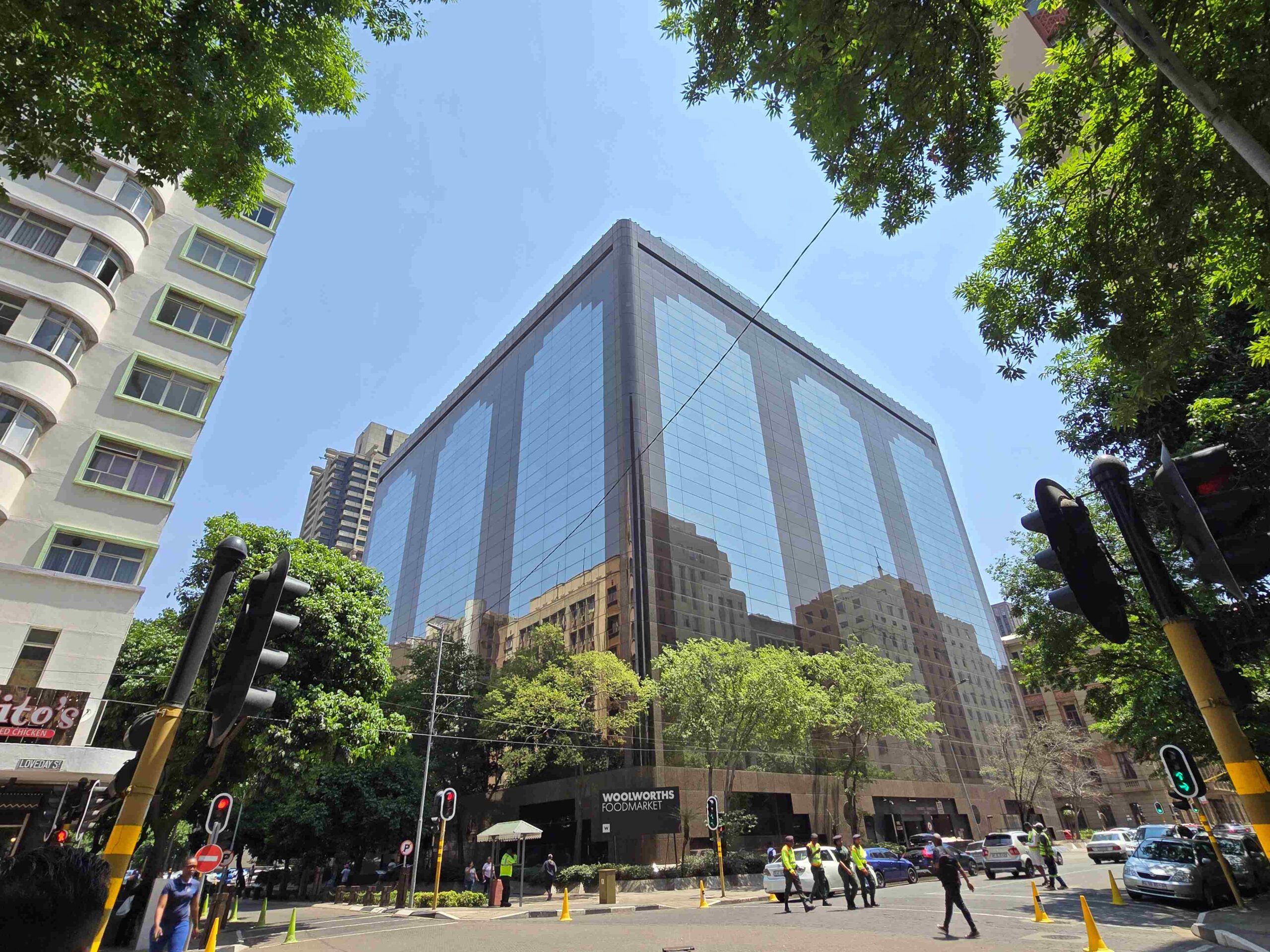
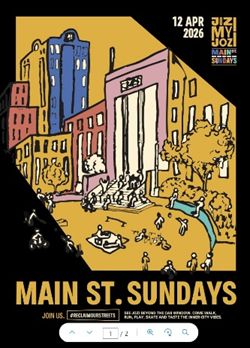
Johannesburg, South Africa — In a bold reimagining of urban life, the heart of Johannesburg will come alive without cars this weekend as Main Street Sundays invites residents to reclaim public space in a vibrant celebration of community, culture, and connection.
On Sunday, 12 April, Main Street in Marshalltown will be closed to traffic and opened to people—marking a significant step in reshaping how the city’s streets are experienced and used.
Reclaiming the Streets for People
Inspired by the global Open Streets movement, Main Street Sundays forms part of a broader push toward people-first cities, where public spaces prioritise human interaction over vehicle dominance.
“This is more than an event. This is a reclamation,” said Dawn Robertson, Visitor & Creative Economy Catalyst at Jozi My Jozi.
“Main Street Sundays isn’t a marketing stunt—it’s a statement that Joburg belongs to its people. When communities show up, connect, and share space, that’s where real change begins.”
A Living, Walkable City Experience
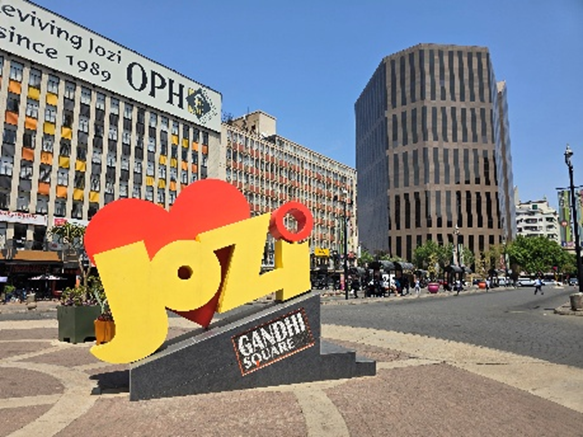
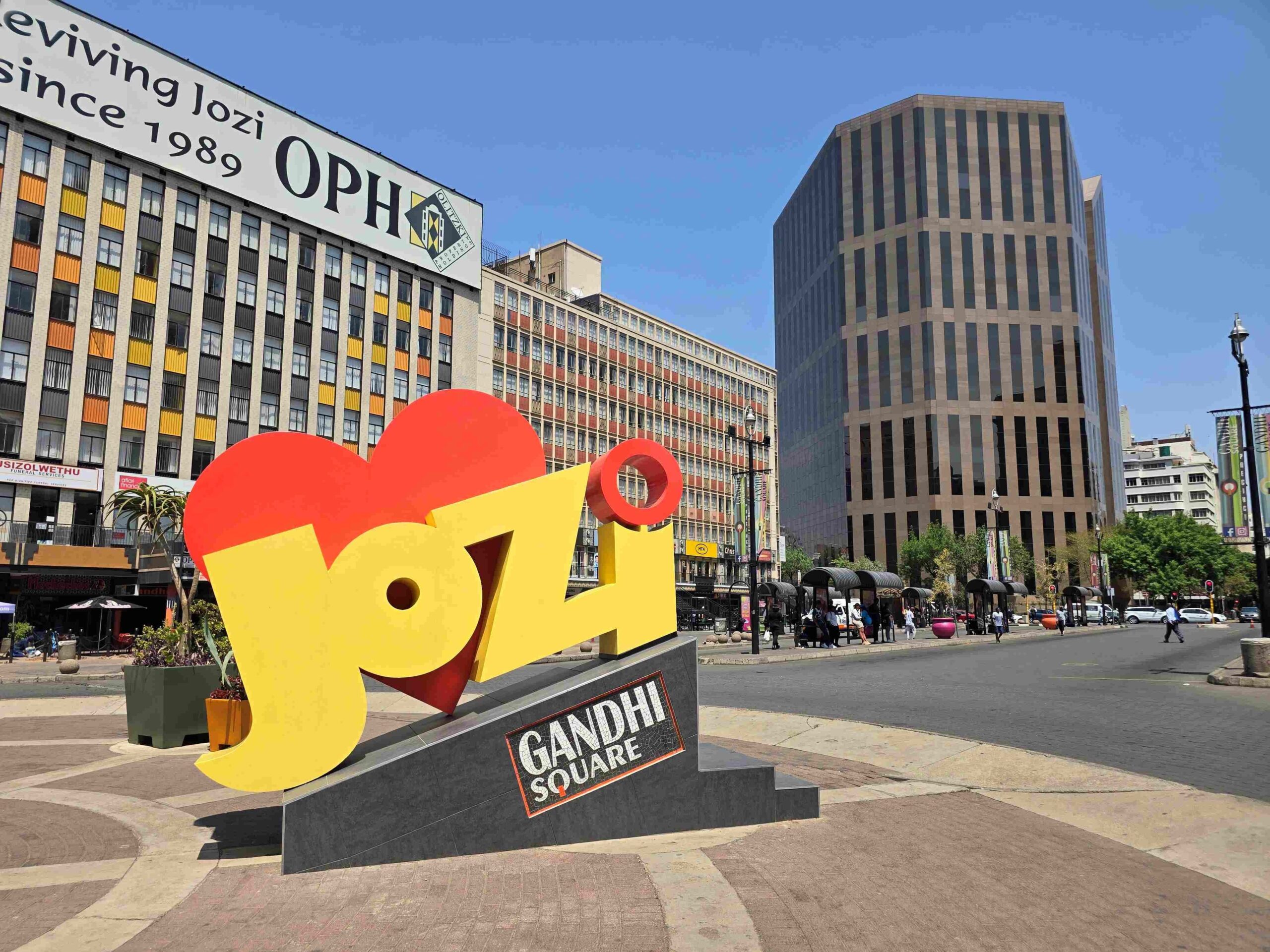
Stretching from 44 Main Street to Gandhi Square Johannesburg, the route will be transformed into a dynamic, car-free corridor featuring nine themed activation zones.
Visitors can expect:
- Wellness and mindfulness spaces
- Live music and performance areas
- Art and design installations
- Kids’ play zones
- Active mobility lanes for cycling, skating, and walking
- Interactive games and cultural experiences
- A vibrant food court hub
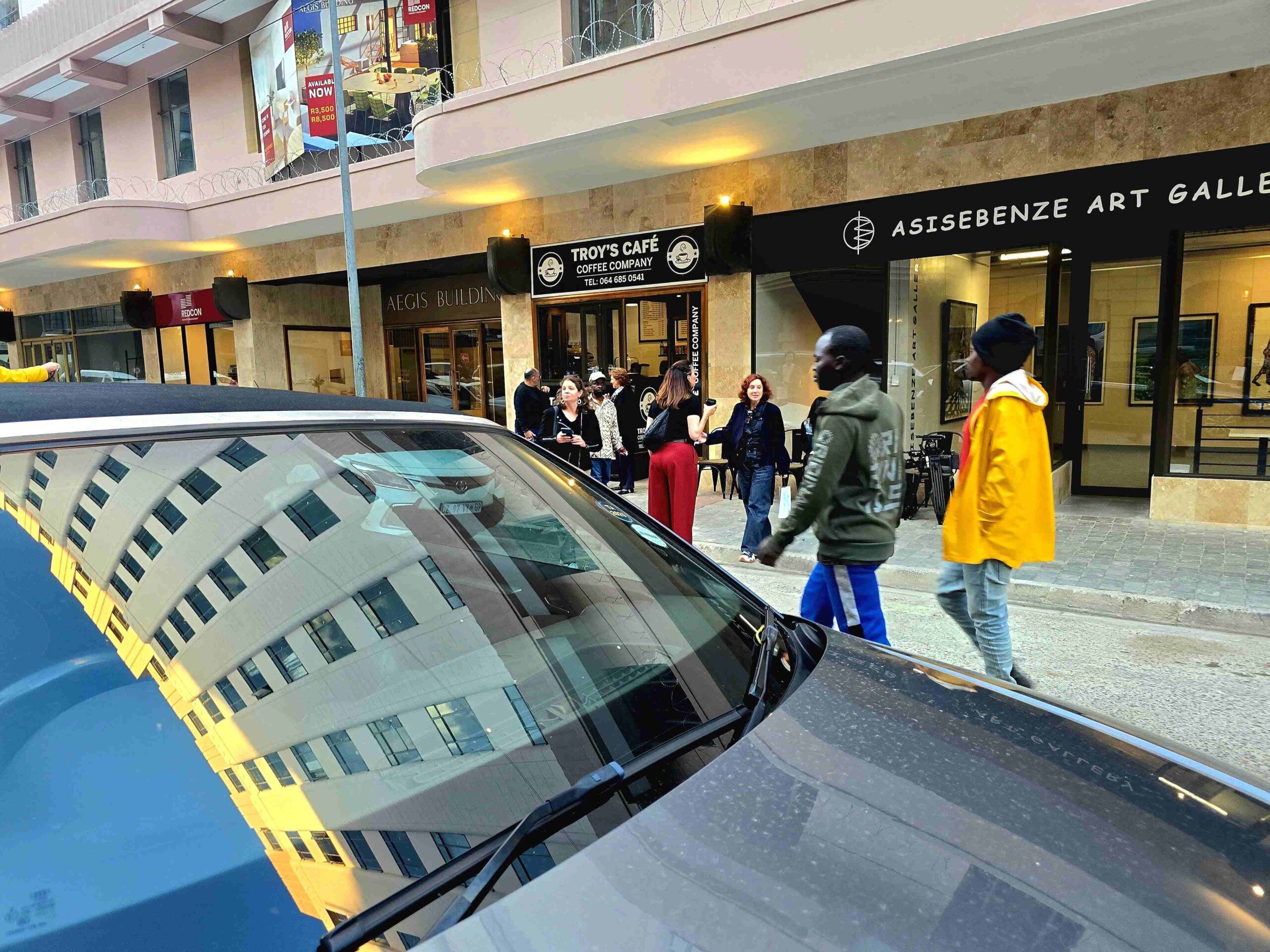
The initiative also includes a walkable art mile, connecting the Standard Bank Gallery to the Asisebenze Gallery, with exhibitions and pop-up installations enriching the cultural landscape.
Urban Strategy in Action
Main Street Sundays is more than a one-day activation—it is a pilot project within the City of Johannesburg’s Walkable Network, a long-term urban strategy aimed at concentrating activity, investment, and movement along key inner-city routes.
According to Lutando Maboza, Executive Director for Transport:
“This initiative demonstrates how streets can support safer, more inclusive and vibrant communities. By prioritising walking, cycling and public life, we’re reshaping how infrastructure serves residents.”
The project is a collaborative effort involving Young Urbanists NPC, the Johannesburg Inner City Partnership, and the City of Johannesburg.
Economic and Social Impact
For stakeholders, the initiative is also about stimulating local economic activity and enhancing safety through increased foot traffic.
“Focused activation on a single route can transform how the city functions,” said David van Niekerk, CEO of the Johannesburg Inner City Partnership.
“When people return to the streets, you increase visibility, support small businesses, and create safer, more dynamic urban spaces.”

A Vision for Johannesburg’s Future
Urban planners and civic leaders see Main Street Sundays as part of a broader shift in how South African cities approach development—moving beyond basic service delivery toward holistic, people-centred urban design.
Roland Postma, Managing Director of Young Urbanists NPC, emphasised the transformative potential:
“When you change the streets, you change the city. And when you change the city, you change the country.”
An Open Invitation to the City
At a time when Johannesburg faces both challenges and opportunities, Main Street Sundays offers a powerful reminder of the city’s resilience and creative energy.
From families and artists to traders and urban planners, the initiative brings together diverse voices with a shared goal: to reimagine the city as a space for people, not just vehicles.
As Robertson puts it:
“The CBD doesn’t need saving—it needs showing up. When people choose to invest their time, energy, and presence, that’s how cities come back to life.”
With its blend of culture, movement, and community spirit, Main Street Sundays is set to transform a familiar urban corridor into a living, breathing public space—one step toward a more connected and inclusive Johannesburg.