

By: Lonwabo Mtyeku Photo Credit: Sourced
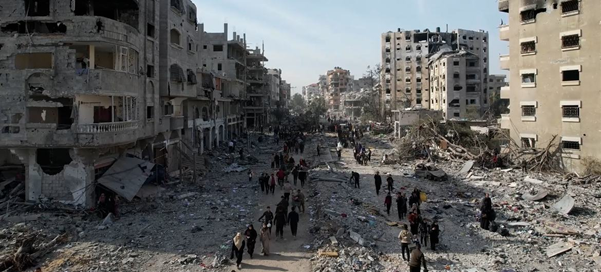
MIDDLE EAST — The Middle East is once again at the centre of global attention as a complex web of conflicts, political rivalries, and humanitarian crises intensifies, raising fears of broader regional instability.
At the heart of the crisis lies the ongoing war in Gaza Strip, where fighting between Israel Defense Forces and Hamas continues to exact a devastating toll on civilians. Despite intermittent ceasefire discussions, sustained hostilities have resulted in widespread destruction of infrastructure, severe shortages of essential supplies, and mounting international concern over the humanitarian situation.
A Multi-Front Crisis
What distinguishes the current crisis from previous escalations is its expanding geographic footprint. In Lebanon, tensions along the southern border have intensified, with Hezbollah engaging in periodic exchanges with Israeli forces. These developments have raised fears of a second фронт that could significantly widen the scope of conflict.
Meanwhile, in Yemen, the Houthis have escalated attacks on shipping routes in the Red Sea, disrupting global trade flows and prompting retaliatory responses from Western powers seeking to secure critical maritime corridors.
In Syria and Iraq, Iranian-aligned militias have been linked to attacks on military installations hosting international forces, further complicating an already volatile security environment.
The Iran Factor
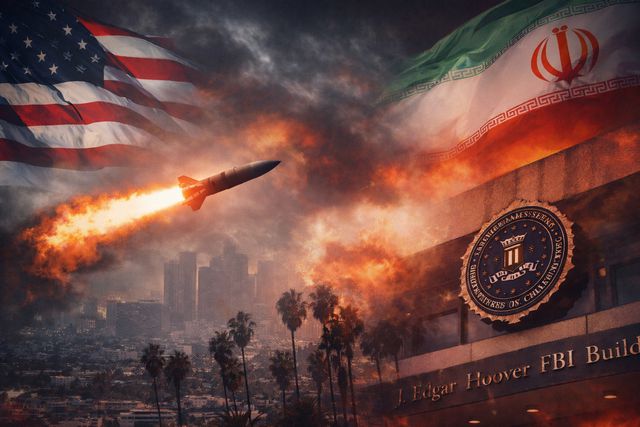
A central axis of the crisis is the role of Iran, which continues to exert influence through a network of allied groups across the region. While Tehran denies direct involvement in certain escalations, its strategic positioning has placed it at the core of geopolitical calculations by both regional adversaries and global powers.
Analysts warn that any direct confrontation involving Iran could trigger a wider conflict with unpredictable consequences for global energy markets and international security.
Humanitarian Catastrophe
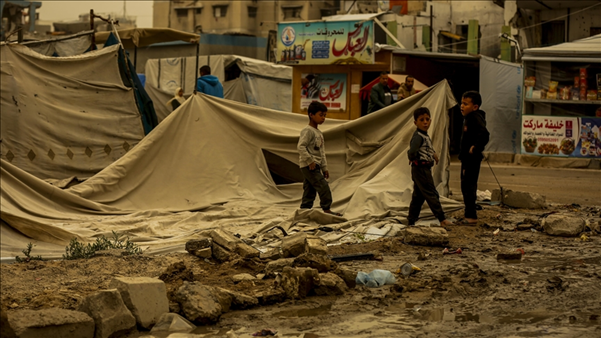
Beyond the geopolitical dimensions, the human cost of the crisis remains staggering. According to United Nations agencies, millions of civilians across conflict zones are facing acute shortages of food, water, and medical supplies. Displacement has reached critical levels, with families forced to flee their homes amid ongoing bombardments and insecurity.
Aid organisations have repeatedly called for humanitarian corridors and sustained ceasefires to allow the delivery of life-saving assistance, but access remains limited in many areas.
Global Diplomatic Pressure
The crisis has triggered an intense wave of international diplomacy. The United Nations Security Council has convened multiple emergency sessions, while major powers including the United States, European Union, and regional actors have pushed for de-escalation.
However, deep divisions persist over the path forward, with competing strategic interests often undermining unified action.
Economic and Global Implications
The ripple effects of the crisis are being felt far beyond the region. Disruptions in the Red Sea have affected global shipping and supply chains, while uncertainty in oil markets has contributed to price volatility—raising concerns for economies already grappling with inflationary pressures.
For countries dependent on energy imports, including many in Africa, the implications could be significant, affecting fuel prices, transport costs, and overall economic stability.
A Region at a Crossroads
As the Middle East navigates one of its most volatile periods in recent years, the risk of further escalation remains high. The convergence of long-standing conflicts, proxy dynamics, and fragile political environments has created a situation where even minor incidents could trigger wider confrontation.
For now, the world watches closely as diplomatic efforts continue, with the urgent hope that dialogue, restraint, and international cooperation can prevent the crisis from spiralling into a broader regional war.
#MiddleEastCrisis #GlobalSecurity #HumanitarianCrisis #Geopolitics #BreakingNews