


By: Lonwabo Mtyeku | Community Newsroom Image Credit: Sourced Online

Johannesburg — Few African footballers speak with the authority of experience quite like Joel Epalle. A former Cameroonian international who carved a respected career across Europe and the Middle East, Epalle has now turned his focus to shaping the next generation — and as the continent builds toward AFCON 2025, he believes African football is standing on the edge of a defining era.
In an exclusive conversation, Epalle reflects on Africa’s evolving football identity, the explosion of young talent across the continent, and why he feels the time has come to restore trust in local coaches.
AFCON 2025: A Tournament of Transition
Epalle describes the upcoming Africa Cup of Nations as “one of the most important editions in modern history.”
“We are seeing a generational shift,” he says. “The traditional powers remain strong, but the gap is closing fast. Teams that were once considered outsiders are now tactically mature, physically prepared and mentally fearless.”
He predicts that AFCON 2025 will be less about reputation and more about adaptability — a tournament where preparation, squad depth and mental discipline will decide champions, rather than name recognition.
The New Wave of African Stars
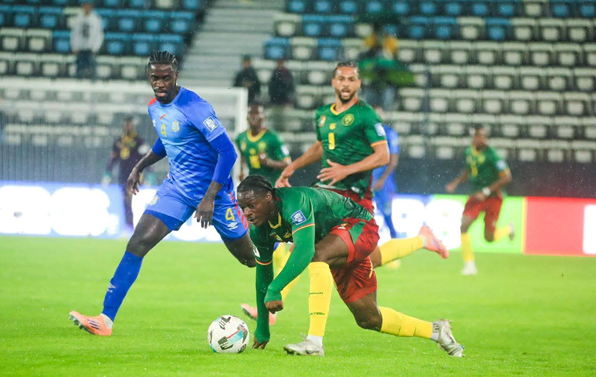
Across Africa, young players are emerging at an unprecedented rate. From academy systems in West Africa to structured youth programmes in Southern and North Africa, Epalle notes that the technical level of African football has never been higher.
“These boys are not just fast and strong anymore — they are tactically intelligent, calm under pressure and very professional,” he says. “You can see it in how quickly they adjust when they move to Europe.”
Epalle believes the next generation will redefine African football on the global stage — not merely as entertainers, but as decisive leaders within top clubs.
“The next African stars will be captains, not just wingers,” he adds.
Why Local Coaches Matter
Perhaps Epalle’s strongest message centres on coaching. He argues that Africa must invest more confidently in its own technical expertise rather than relying excessively on foreign appointments.
“We have African coaches who understand the culture, the players and the pressure,” he says. “They know how to manage dressing rooms, how to motivate young players, and how to deal with local football politics. That knowledge is powerful.”
While acknowledging the value of international experience, Epalle insists that sustained success will only come when federations commit to long-term development plans led by African coaches.
“Foreign coaches often come for short projects,” he explains. “Local coaches are here for the long journey.”
The Road Ahead
As AFCON 2025 approaches, Epalle sees a continent ready to assert its footballing identity — confident, structured and globally respected.
“The world is already watching African football differently,” he concludes. “Now we must believe in ourselves — our players, our systems and our coaches. The future is African.”
His words resonate as both a challenge and a promise: AFCON 2025 may not just crown a champion — it may mark the beginning of Africa’s next football revolution.


