

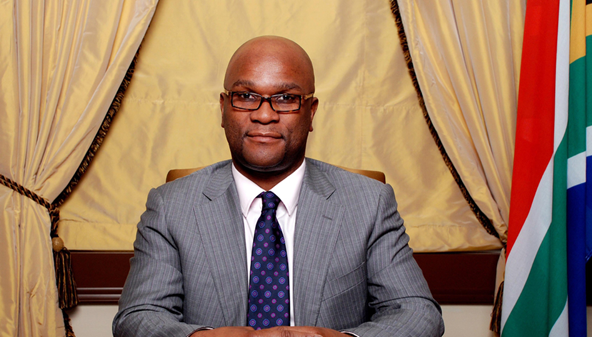
Nkosinathi Emmanuel Mthethwa, widely known as Nathi Mthethwa, was a prominent South African political figure who transitioned from grassroots activism into ministerial and diplomatic leadership. His career, spanning more than three decades, encapsulates the trajectory of many leaders shaped by the anti-apartheid struggle: early activism, parliamentary service, cabinet responsibility, and eventual deployment to the diplomatic corps. His untimely death in Paris in September 2025 has reignited debates surrounding his legacy, his controversies, and his contributions to post-apartheid governance.
Early Political Formation
Born on 23 January 1967 in Clermont, KwaZulu-Natal, Mthethwa became politically active in his youth. He participated in the Klaarwater Youth Organisation and later served as a shop steward in the Food and Allied Workers’ Union. His involvement in underground operations, including the ANC’s Operation Vula, reflected his deep engagement in anti-apartheid mobilisation. Following the unbanning of the ANC in 1990, he held various leadership roles within the ANC Youth League and regional structures, establishing a foundation for his parliamentary career.
Parliamentary and Ministerial Career
Mthethwa entered the National Assembly in 2002, subsequently chairing the Parliamentary Portfolio Committee on Minerals and Energy from 2004 to 2008. His ministerial appointments marked the peak of his political career. Between 2008 and 2014, he served as Minister of Safety and Security and later as Minister of Police, a period defined by debates on law enforcement reform and policing accountability.
In 2014, Mthethwa was appointed Minister of Arts and Culture, and later Minister of Sport, Arts and Culture (2019–2023). In these roles he emphasised the creative economy, heritage preservation, and cultural diplomacy. His stewardship of these sectors sought to position arts and culture as vehicles for economic growth and social cohesion, although his record remained contested.
Diplomatic Appointment
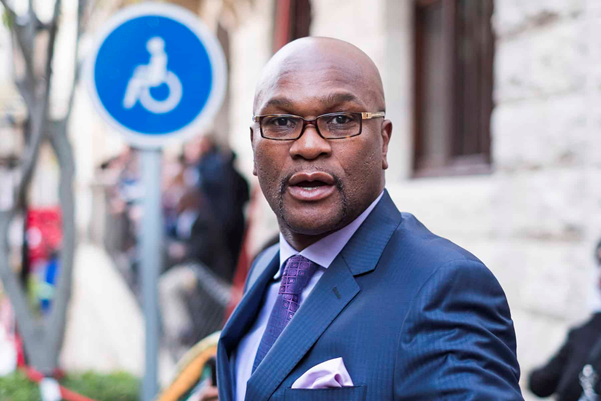
In 2024, Mthethwa was appointed South Africa’s Ambassador to France and Permanent Delegate to UNESCO. This diplomatic deployment aligned with a broader state practice of reassigning senior political figures to international representation. His posting was significant for South Africa’s cultural diplomacy, yet his tenure lasted less than two years due to his unexpected death.
Death and Circumstances
On 29 September 2025, Mthethwa was found dead in Paris outside a hotel near the Bois de Boulogne. Reports indicated that he had fallen from the 22nd floor of the Hyatt Hotel, raising questions about the circumstances. French authorities launched an investigation, with preliminary reports suggesting that a secured window had been forced open. While speculation around suicide circulated, official confirmation remained absent. His death thus remains under investigation, adding a layer of ambiguity to his final chapter.
Controversies and Criticism
Mthethwa’s political career was not without controversy. During his tenure as Police Minister, his name surfaced in relation to the Richard Mdluli case, where allegations of political interference in prosecutorial processes arose. Furthermore, questions regarding the misuse of police intelligence funds—allegedly directed toward personal benefits such as home renovations—cast a shadow over his reputation. While he consistently denied wrongdoing, these controversies became part of the public discourse surrounding his career.
Legacy and Significance
Assessments of Mthethwa’s contribution to South African politics must balance his achievements against his controversies. His role in the struggle, his long service in cabinet, and his advocacy for arts, culture, and heritage underscore his impact on the political landscape. Simultaneously, the criticisms directed at his leadership, particularly in policing and governance, complicate his legacy.
Ultimately, Mthethwa’s life illustrates both the opportunities and challenges faced by liberation-era leaders in a democratic context: celebrated for their contributions to nation-building, yet often constrained by systemic governance failures and public scrutiny. His death has prompted renewed reflection on the personal and institutional pressures experienced by senior office-bearers in South Africa’s post-apartheid state.
Conclusion
Ambassador Nathi Mthethwa’s trajectory—from youth activism to diplomatic representation—mirrors the broader arc of South Africa’s political evolution. His life combined elements of struggle, governance, diplomacy, and controversy. While his sudden passing in Paris closes a significant chapter in South African political history, debates about his contributions and shortcomings will likely continue to shape scholarly and public discourse in the years to come.