


C20 CONCLAVE CONVENES GLOBAL LEADERS AT 61 KATHERINE STREET, SANDTON
Article: Lonwabo Mtyeku | GP News Media – Community Newsroom Pictures: Supplied
Johannesburg, South Africa – 15 November 2025:
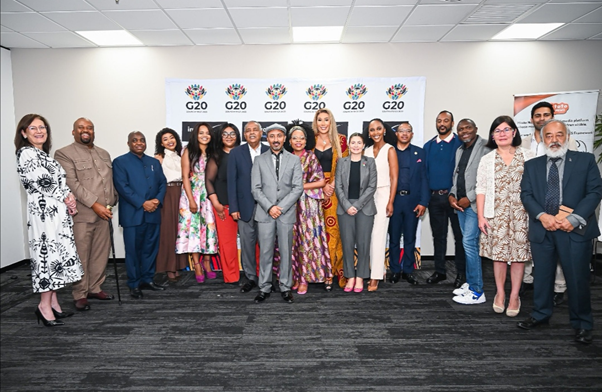
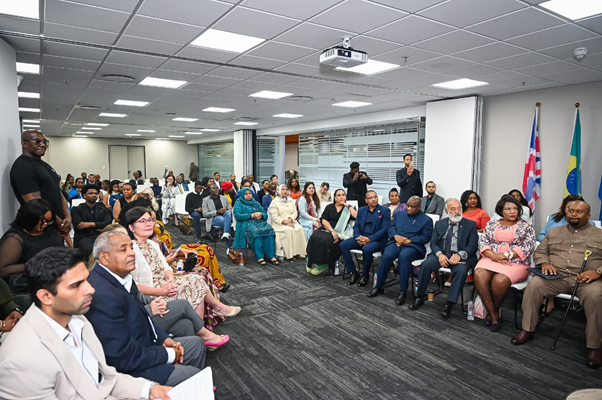
The inaugural G20 C20 Conclave, held as an official side event of the G20 Social Summit, convened an unprecedented gathering of civil society leaders, academics, policymakers, corporate stakeholders and members of the international diplomatic community at 61 Katherine Street, Sandton. The Conclave marks one of the most significant multi-sector dialogues hosted in South Africa in the lead-up to the G20 Leaders’ Summit.
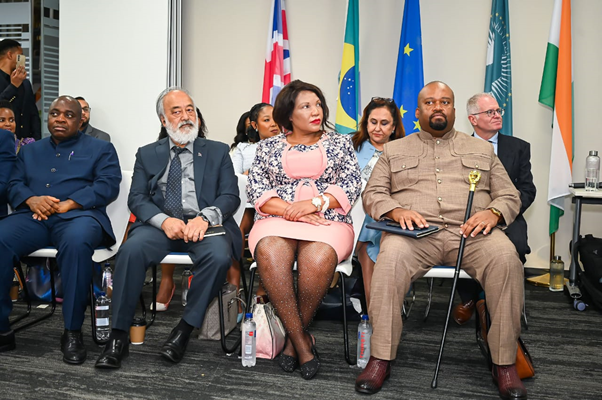
The event brought together a distinguished delegation of global representatives, including Dr. Kalu Macaulay, Secretary-General of the African Union Resource Group (AURG); Dr. Nurudeen Zauro, renowned development strategist; the Dean of the Diplomatic Corps, HE Ambassador Salih Omar Abdul; and fellow ambassadors and high-level envoys from Turkey, Nepal, Palestine, Guinea, Senegal, Jordan, Venezuela, Mali, the Dominican Republic, Mozambique, Peru, Gabon, Nicaragua, and the Hashemite Kingdom of Jordan.
Their presence underscored the international significance of the Conclave, highlighting the growing recognition of civil society as a vital partner in shaping global economic and social policy.
A Defining Theme: Digital and Inclusive Economies
This year’s theme, “Digital and Inclusive Economies,” was selected to reflect the urgent need for equitable digital transformation across developing regions—particularly Africa. As the world accelerates toward a technology-driven global future, the dialogue emphasised inclusion, access, and empowerment as critical pillars of sustainable development.
Through high-level panels, collaborative workshops, and interactive networking engagements, delegates examined a range of issues including:
- The widening digital divide and its implications for economic participation
- Civil society’s role in advocating for fair and inclusive tech policies
- Opportunities to expand digital literacy and digital public infrastructure
- The power of data, AI, and innovation in unlocking economic resilience
- Strengthening partnerships between government, private sector, and community organisations
- Building a future-ready workforce for Africa’s fast-growing population
Speakers stressed that digital transformation cannot be viewed merely as a technological shift, but as a human rights issue, requiring intentional policy alignment to ensure that no community is left behind.
A Historic Gathering of Civil Society Across Africa
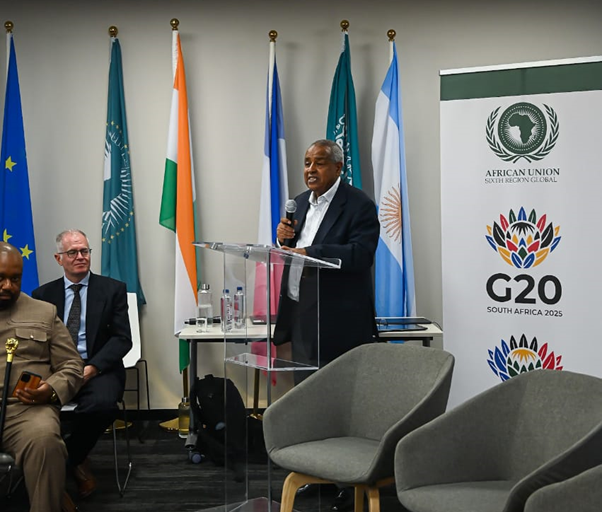
One of the defining aspects of the Conclave was its strong emphasis on African civil society empowerment. More than any previous convening of its kind, the event brought together a diverse set of NGOs, social enterprises, youth-led movements, policy researchers, and grassroots organisations committed to driving sustainable social impact.
These organisations were encouraged to:
- Reclaim their voice within global decision-making spaces
- Strengthen collective organising to influence G20 and C20 recommendations
- Build partnerships that scale social impact projects across the continent
- Innovate in sectors such as education, agriculture, healthcare, and financial access
- Leverage technology to close development gaps in vulnerable communities
Participants were reminded that African civil society, when united, wields immense power to shift global policy conversations, strengthen governance frameworks, and advocate for a fairer, more inclusive global economy.
Diplomatic Corps Align on Strengthening Multilateral Collaboration
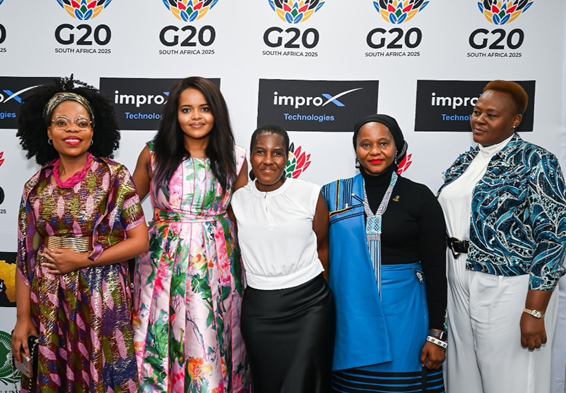
With ambassadors and diplomatic envoys in attendance, the Conclave also served as a strategic platform for international cooperation. Several missions expressed their commitment to:
- Supporting Africa’s digital transformation
- Deepening bilateral and multilateral partnerships
- Strengthening investment in youth, innovation, and emerging technologies
- Collaborating with civil society to address poverty, inequality, and food insecurity
The diplomatic dialogue highlighted the importance of Africa’s voice in shaping global governance. With numerous G20 priority issues directly affecting the continent—from climate resilience to debt sustainability—the Conclave reinforced the need for Africa-driven solutions within global forums.
A Strong Focus on Implementation, Not Just Conversation
Unlike traditional conferences, the G20 C20 Conclave adopted an action-driven approach. Stakeholders collaborated on immediate next steps, including:
- Consolidating civil society recommendations for the G20 Social Summit
- Establishing working groups focused on digital inclusion, education, and innovation
- Creating a long-term institutional platform to support civil society participation
- Developing partnership pipelines across government, corporate, and community sectors
- Documenting Africa-specific policy priorities for submission to the G20 engagement process
The Conclave also provided capacity-building opportunities, enabling NGOs to strengthen their advocacy, improve organisational sustainability, and access new networks for funding and collaboration.
A Milestone for South Africa and the Continent
As South Africa hosts global delegates for the 2025 G20 season, the Conclave has set a powerful tone for the country’s leadership role in championing inclusive development. It positioned Johannesburg once again as a hub for global dialogue, innovation, and diplomatic engagement.
For many delegates—local and international—the event symbolised a renewed commitment to partnership, equity, and a people-centred approach to global governance. The emphasis on technology as a tool for empowerment and inclusion illustrated a forward-looking agenda aligned with Africa’s demographic and economic potential.
A Shared Vision for the Future
The G20 C20 Conclave closed with a unified call to action:
to ensure that the digital economy becomes a bridge—not a barrier—to opportunity; and that civil society remains at the heart of shaping a more inclusive and sustainable global future.
As delegates departed, there was a clear sense that a new chapter had begun—one defined by collaboration, innovation, and an unwavering belief in Africa’s potential to lead.


